Cart
Your shopping cart is empty!
It's never too late to make things right :)


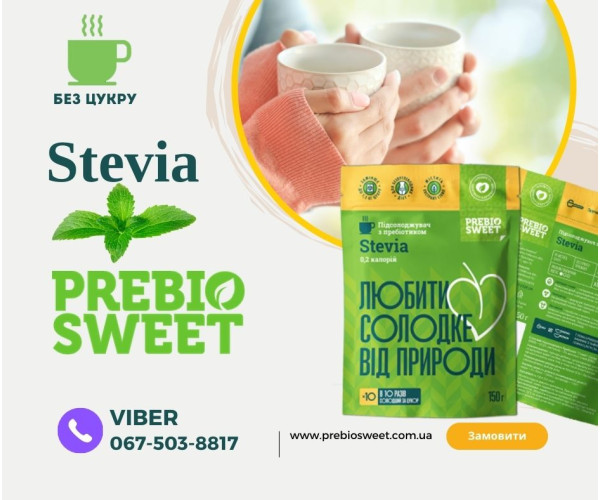
Stevia is a plant that has been used by South American residents for over a thousand years. Its benefits became available to people around the world about a hundred years ago, and during this time stevia and its extracts have gained popularity among healthy eating enthusiasts as a natural alternative to white sugar. In this article, you will learn why.
In the first half of the 16th century, Spanish professor Petrus Stevus recorded a plant named “stevia” in his honor. 300 years later, Swiss botanist Bertoni went on a scientific expedition to Paraguay, where he conducted a detailed study of this plant species. It turned out that local residents call stevia “sweet grass” and actively use it in everyday life: they treat heartburn and add the leaves to herbal drinks to add sweetness.
In Europe and Asia, interest in stevia as a sugar substitute appeared in the middle of the 20th century. Its benefits were fully appreciated in Japan, where much attention is paid to healthy eating and the prevention of diseases associated with it. In the USSR, stevia took root in the 80s, and it is still grown in Ukraine. And the largest exporter of stevioside (stevia extract) today is China.
Scientists have discovered more than 260 species of stevia, but only one is used to obtain a sweet substance - Stevia rebaudiana. The plant looks like a small bush up to a meter tall with many small leaves. They contain steviol glycosides - substances that provide sweetness. The most common are rebaudiosides and stevioside. The first in its pure form is 350-400 times sweeter than sugar, the second - 250-300. Unlike dried stevia leaves, its extracts do not have a pronounced bitter and grassy aftertaste, so they can be used in a wide range of foods.
How Stevia is absorbed by the body
Stevia differs in many ways from other sweeteners due to the unique substances it contains and the process of absorption by the human body. Let's consider this using the example of steviol glycosides. They are almost completely excreted from the intestines unchanged - there are no enzymes there to break them down. And what remains is converted into glucose and stevioside. The first supports the vital activity of beneficial intestinal bacteria, and the second leaves the body with urine. This "procedure" guarantees the positive effect of steviol glycoside on human health - read more about this.
How Stevia Affects Health
Diabetes
The components of stevia are not broken down by the body. Therefore, unlike glucose, it does not enter the blood and does not cause the release of insulin. Moreover, stevia even allows you to reduce the level of this hormone. Studies have shown that the use of stevia extracts can reduce the concentration of glucose in the blood, increase sensitivity to insulin and delay the development of resistance to it. Therefore, stevia is a potential candidate for the role of a cure for diabetes. Or, at least, a healthy alternative for those who cannot imagine life without sweets, but cannot consume sugar.
Cholesterol
Stevia reduces the level of "bad" cholesterol. Flavonoids are responsible for this - vitamin-like compounds of plant origin, which are contained in the leaves of the plant. At the same time, they strengthen the walls of blood vessels and capillaries, reduce their fragility and permeability. But it is worth considering that flavonoids are found only in the plant itself, but not in its purified extracts.
Excess weight
The taste of steviol glycosides is much more intense than the taste of sugar, and the calorie content tends to zero: 100 g of dry stevia contains only 18 calories. The calorie content of stevia extracts is so low that it is usually equated to zero. Therefore, dishes containing stevia extracts eliminate empty calories that the body receives from sweet foods and drinks.
Blood pressure
Replacing regular sugar with stevia helps people who have problems with blood pressure. This was proven in China: a study was conducted there involving 106 people with hypertension. As a result, with a daily intake of 750 mg of stevia extract, people had a decrease in upper blood pressure by 8%, and lower blood pressure by 14%.
Some scientists believe that certain types of steviol glycosides contribute to the relaxation of blood vessels, which reduces the load on the cardiovascular system.
Myths about harm
The ideal “partner” for stevia is erythritol: such a combination can be found in Prebiosweet Stevia. Both substances occur in nature, which is important for adherents of everything natural, and have zero calories. Prebiosweet Stevia sweetener is 10 times sweeter than sugar, dissolves easily in cold and hot water and can be used in baking, freezing, drinks and desserts. With such a set of qualities, it will quickly take root in the kitchen and become a faithful assistant in weight loss and carbohydrate control.
-200x200.jpg)