Cart
Your shopping cart is empty!
It's never too late to make things right :)


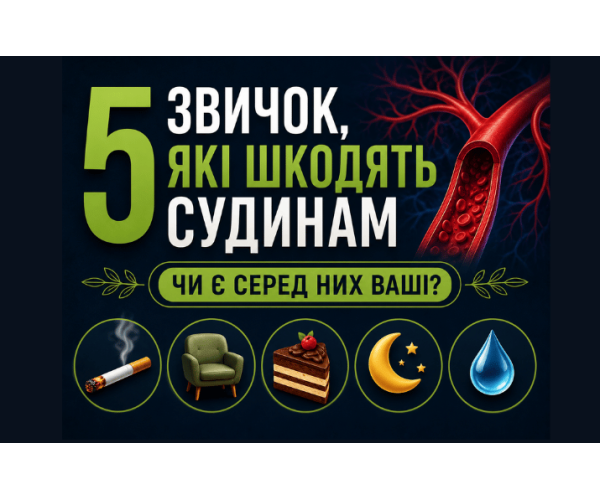
Cigarette smoke contains thousands of chemicals, many of which can damage the inner lining of blood vessels. Over time, this may reduce their elasticity and contribute to the development of cardiovascular disease.
These changes often occur gradually and may not cause noticeable symptoms for many years.
Tip: Quitting smoking is one of the most effective steps you can take to support your heart and blood vessel health.
Long hours at a desk, driving, or spending evenings in front of a computer or television mean your muscles are less active and blood circulation slows down.
That is why many people experience:
These symptoms do not necessarily indicate disease, but they can be a sign that your body needs more movement.
Tip: Try to stand up at least once every hour, stretch for a few minutes, and aim for at least 30 minutes of walking or other physical activity each day.
Enjoying dessert from time to time is perfectly normal. The problem arises when sugary drinks, pastries, candy, and other foods high in added sugars become part of your daily diet.
Excessive sugar intake may contribute to weight gain, metabolic disturbances, and an increased risk of cardiovascular disease.
Tip: Rather than eliminating sweets completely, focus on reducing added sugars and choosing whole, minimally processed foods more often.
Sleep is when the body restores itself. Consistently getting too little sleep or poor-quality sleep may affect blood pressure, hormone balance, and cardiovascular health.
If you often wake up feeling tired, struggle with daytime fatigue, or have difficulty concentrating, your body may simply not be getting enough restorative sleep.
Tip: Most adults benefit from 7–9 hours of sleep each night.
Water plays an essential role in nearly every process in the body, including maintaining normal blood volume and healthy circulation.
Not drinking enough fluids may lead to thirst, dry mouth, headaches, fatigue, and reduced physical or mental performance. Staying hydrated is especially important during hot weather, exercise, or illness.
Tip: Drink water regularly throughout the day and pay attention to your thirst and the color of your urine. A pale yellow color usually indicates adequate hydration.
Blood vessels respond well to consistent, healthy lifestyle choices. Staying active, getting enough sleep, eating a balanced diet, avoiding smoking, and drinking enough water are simple but powerful steps that support long-term cardiovascular health.
-200x200.jpg)