


Cart
Your shopping cart is empty!
It's never too late to make things right :)


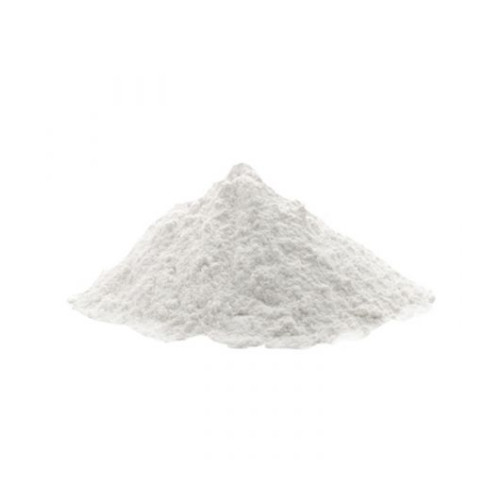


From a storage in Kyiv with delivery across Ukraine and abroad.
Wholesale and retail prices are available (from 2 kg). For large orders - significant discounts, individual working conditions.
Description
Sorbitol, also called D-sorbitol, 50-70-4, E420 is a type of carbohydrate. It falls under the category of sugar alcohols called polyols.
This water-soluble compound occurs naturally in some fruits, including apples, apricots, dates, berries, peaches, plums, and figs.
Sorbitol is made from corn syrup for use in packaged foods, beverages, and medicines.
Commercially, sorbitol is used to preserve moisture, add flavor and texture to foods, and support digestive and oral health.
Authority:
Sweetness – approximately 50–60% of the original tsukru (less sweet, but also a pleasant soft taste without bitterness).
Calorie content – about 2.6 kcal/g (lower, lower in the tsukru).
Moisture-binding properties – retains moisture well, so products stay soft and fresh longer.
Stability when heated - does not caramelize or darken at high temperatures.
Application.
Sorbitol is a widely used sugar alcohol for several reasons.
Sorbitol is also not completely digested in the small intestine. What remains of the compound moves to the large intestine, where it is instead fermented or broken down by bacteria, resulting in fewer calories being absorbed.
In fact, the Food and Drug Administration (FDA) has recognized that sugar alcohols such as sorbitol may benefit oral health. This is based on a study that showed that sorbitol may reduce the risk of tooth decay compared to table sugar, although not to the same extent as other sugar alcohols.
Finally, it is used as a laxative for constipation. It is hyperosmotic, that is, it draws water into the colon from the surrounding tissues, which helps to empty the intestines. For this purpose, it can be purchased without a prescription at most grocery stores and pharmacies.
Side effects
Consuming large amounts of sorbitol or other sugar alcohols can cause bloating and diarrhea in some people, especially if you are not used to consuming them regularly. This may be an undesirable result for some, but a desirable effect for those who use it to stimulate bowel activity.
Fortunately, other side effects of sorbitol are uncommon. The most common complaint is diarrhea, although it can be accompanied by abdominal cramps or nausea.
However, while some laxatives can be addictive and should not be used for long periods of time, sorbitol is considered a less dangerous and stimulating laxative. However, given that it works by drawing fluid into your intestines to stimulate bowel activity, it should only be used as directed by your doctor.
Despite the potential side effects, sorbitol has been reviewed and deemed safe for consumption by many global health authorities, including the FDA, JECFA, and the European Union.
Dosage
Sorbitol for laxative use can be taken orally with a glass of water or mixed with flavored drinks, with or without food.
Recommended doses vary. Some studies show that unwanted side effects are more likely if you consume 10 grams or more per day. The FDA requires that labels on products that may require more than 50 g per day contain the warning: "Excessive consumption may have debilitating effects."
If you think you have taken too much sorbitol and you develop serious symptoms, contact your doctor immediately. Be prepared to provide information about the dosage and your symptoms, including when they occurred.
After all, it's best to follow the consumer directions on the package. Alternatively, consult your doctor if you have questions about proper dosage and use.
Sorbitol can be stored at room temperature or approximately 25 °C. It should not be frozen or stored in hot conditions, as this may shorten its shelf life.
Once the product has expired, be sure to dispose of it properly through a drug take-back event or other safe disposal method.
There are no reviews for this product.


