Cart
Your shopping cart is empty!
It's never too late to make things right :)


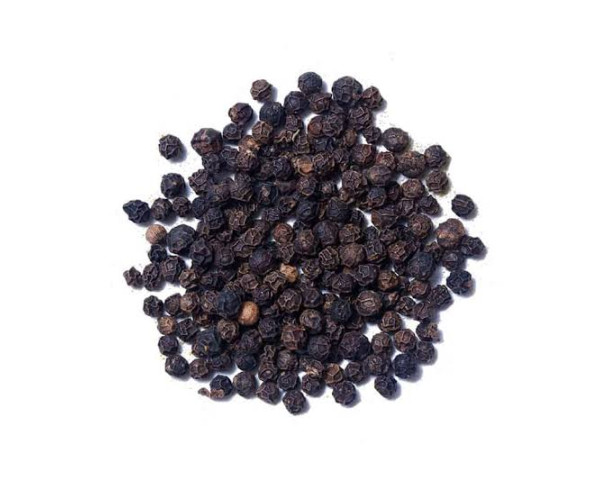
Black pepper is one of the most commonly used spices in the world. However, black pepper is more than just a kitchen staple. It has been considered the “king of spices” and has been used in ancient Ayurvedic medicine for thousands of years. This is due to its high concentration of beneficial plant compounds.
1. Powerful antioxidant
Free radicals are unstable molecules that can damage your cells. Some free radicals are created naturally — for example, when you exercise and digest food.
However, excess free radicals can be produced by factors such as pollution, cigarette smoke, and sunlight.
Excessive free radical damage can lead to serious health problems. For example, it has been linked to inflammation, premature aging, heart disease, and some types of cancer.
Studies show that a diet high in antioxidants can help prevent or delay the damaging effects of free radicals.
Test-tube and rodent studies have shown that supplements of ground black pepper and piperine can reduce free radical damage.
For example, rats fed a high-fat diet and concentrated black pepper extract had significantly fewer markers of free radical damage after 10 weeks. This is compared to rats fed a high-fat diet alone.
SUMMARY
Black pepper is rich in a powerful antioxidant called piperine, which may help prevent free radical damage to your cells.
2. Has anti-inflammatory properties
Chronic inflammation can be a major factor in many conditions, such as arthritis, heart disease, diabetes, and cancer.
In studies in mice, piperine suppressed inflammation in the airways caused by asthma and seasonal allergies.
SUMMARY
Black pepper contains an active compound that researchers have found to be effective in reducing inflammation.
3. May benefit your brain
Piperine has been shown to improve brain function in animal studies.
Specifically, it has shown potential benefits for symptoms related to the development of degenerative brain conditions. For example, Alzheimer’s and Parkinson’s disease.
In another study in rodents, piperine extract appeared to reduce the formation of amyloid plaques. These are dense clumps of damaging protein fragments in the brain and have been linked to Alzheimer’s disease.
SUMMARY
Black pepper extract improved symptoms of degenerative brain diseases in animal studies.

4. May Improve Blood Sugar Control
Studies show that piperine may help improve blood sugar metabolism.
In one study, rats given black pepper extract had a smaller spike in blood sugar levels after consuming glucose compared to rats in a control group.
SUMMARY
Black pepper extract may improve blood sugar control, but more research is needed.
5. May Lower Cholesterol
High blood cholesterol levels are linked to an increased risk of heart disease, the leading cause of death worldwide.
Black pepper extract has been studied in animals for its ability to lower cholesterol.
For example, in one 42-day study, rats were fed a high-fat diet with black pepper extract. As a result, they had lower blood cholesterol levels, including LDL (bad) cholesterol. The same effects were seen in the control group.
Additionally, black pepper and piperine increase the absorption of dietary supplements that have potential cholesterol-lowering effects. These include turmeric and red yeast rice.
Furthermore, studies have shown that black pepper can increase the absorption of the active component of turmeric, curcumin, by up to 2000%.
SUMMARY
Black pepper has demonstrated cholesterol-lowering effects in rodent studies and is thought to increase the absorption of potential cholesterol-lowering supplements.
6. May Have Anticancer Properties

Researchers suggest that the active compound in black pepper, piperine, may have anticancer properties.
Test-tube studies have shown that piperine slows the growth of breast, prostate, and colon cancer cells and causes cancer cell death.
Furthermore, piperine has shown promising effects in laboratory studies for overcoming multidrug resistance in cancer cells, a problem that hinders the effectiveness of chemotherapy treatments.
SUMMARY
Black pepper contains an active compound that has been shown to slow the growth of cancer cells and also cause cancer cell death in test-tube studies. However, these effects have not been studied in humans.
7-10. Other Benefits
According to previous studies, black pepper may benefit health in many other ways:
Increases nutrient absorption. Black pepper may increase the absorption of essential nutrients, such as calcium and selenium. Also, some beneficial plant compounds, such as those found in green tea and turmeric
May promote gut health. The composition of your gut bacteria has been linked to immune function, mood, chronic disease, and more. Previous research suggests that black pepper may increase the number of beneficial bacteria in your gut.
May offer pain relief. Rodent studies suggest that the piperine in black pepper may be a natural painkiller.
May reduce appetite. In a small study, 16 adults reported a decrease in appetite after drinking a black pepper-based drink, compared to flavored water. However, other studies have not shown the same effect.
SUMMARY
Black pepper increases the absorption of essential nutrients and beneficial plant compounds. According to previous research, it may also help strengthen the gut, relieve pain, and reduce appetite.
Black pepper and its active compound piperine may have powerful antioxidant and anti-inflammatory properties.
Laboratory studies suggest that black pepper may improve cholesterol levels, blood sugar control, and brain and gut health.
Source: https://www.ncbi.nlm.nih.gov/pubmed/