Cart
Your shopping cart is empty!
It's never too late to make things right :)



Sucralose is a calorie-free sweetener that can be used to reduce your intake of added sugar while still providing the satisfaction of enjoying the taste of something sweet. While some types of sweeteners in this category are considered low-calorie (such as aspartame) and others are calorie-free (such as sucralose, monk fruit sweeteners, and stevia sweeteners), collectively they are often referred to as sugar substitutes, high-intensity sweeteners, non-nutritive sweeteners, or low-calorie sweeteners.
Sucralose is also used in tabletop sweeteners. There are many brands of tabletop sweeteners based on sucralose. The most common brand in the United States is Splenda® Original.
HOW IS SUCRALOSE MADE?
Sucralose is made from a process that starts with regular table sugar (sucrose); however, sucralose is not a sugar. Three selected hydroxyl groups in the sucrose molecule are replaced by three chlorine atoms. The structure of sucralose prevents enzymes in the digestive tract from breaking it down, which is an integral part of its safety.
WHAT HAPPENS TO SUCRALOSE AFTER IT IS CONSUMED?
Most (approximately 85 percent) of the sucralose consumed is not absorbed by the body and is excreted unchanged in the feces. Of the small amount that is absorbed (approximately 15 percent), none is broken down for energy, so sucralose contains no calories. All absorbed sucralose is rapidly excreted in the urine.
IS SUCRALOSE SAFE TO CONSUME? YES.
Over 100 safety studies, representing over 20 years of research, have shown that sucralose is safe. In 1998, the FDA approved its use as a sweetener in 15 specific food categories.³ In 1999, the FDA expanded its regulations to allow sucralose as a “general purpose sweetener,” meaning it is approved for use in any food or beverage. Leading global health authorities, such as the European Food Safety Authority (EFSA) and the Joint FAO/WHO Expert Committee on Food Additives (JECFA), have concluded that sucralose is safe for its intended use.
The safety of sucralose has also been confirmed. by the Ministry of Health, Labor and Welfare of Japan; Food Standards Australia New Zealand; and Health Canada. Based on the findings of these global authorities, sucralose is now approved for use in more than 100 countries.
CAN CHILDREN USE SUCRALOSE? YES.
Health and food safety authorities such as the FDA and JECFA have concluded that sucralose is safe for consumption by adults and children within the ADI.
The metabolism of sucralose in children is not expected to differ from that in adults.
Sucralose can add sweetness to foods and beverages for a child without affecting caloric intake or added sugar. Sucralose is not cariogenic or fermentable like sugar, so it does not increase the risk of dental caries. With the focus on reducing added sugar consumption in recent decades, the number of foods and beverages containing low-calorie sweeteners has increased. Although observational studies of children and adults in the United States have shown an increase in the percentage of people reporting daily consumption of foods containing low-calorie sweeteners,¹² current consumption of low-calorie sweeteners is considered quite acceptable both globally and in the United States.
CAN PREGNANT AND NURSING WOMEN CONSUME SUCRALOSE? YES.
Studies have shown that sucralose has no negative effects on pregnant or nursing mothers or the fetus, and there are no known side effects from consuming sucralose. Since only a small amount of sucralose is absorbed into the bloodstream, the amount of sucralose present in breast milk is very low. All pregnant or breastfeeding women need the necessary nutrients and calories for optimal growth and development of their baby, but be careful not to exceed your needs.
CAN PEOPLE WITH DIABETES EAT SUCRALOSE? YES.
Foods and beverages made with sucralose are often recommended for people with diabetes as an alternative to sweetened foods and beverages, and as a way to help them satisfy their sweet cravings while managing their carbohydrate intake. Large studies show that sucralose does not raise blood glucose levels or otherwise affect blood glucose control.¹⁸⁻²¹ Recent consensus statements from experts in the fields of nutrition, medicine, exercise, and public health suggest:
neutral effects of low-calorie sweeteners on hemoglobin A1C, insulin, fasting and postprandial glucose, and conclude that the use of low-calorie sweeteners for the treatment of diabetes may contribute to better glycemic control.
Global health professional organizations have released their own conclusions on the safety and role of low-calorie sweeteners for people with diabetes. The American Diabetes Association’s 2022 Standards of Care for People with Diabetes state that
“For some people with diabetes who regularly consume sugar-sweetened foods, non-nutritive sweeteners (with few or no calories) may be an acceptable substitute for nutritive sweeteners (those that contain calories, such as sugar, honey, and agave syrup), when used in moderation. The use of non-nutritive sweeteners does not appear to have a significant impact on glycemic control, but they may reduce overall calorie and carbohydrate intake until people compensate for the additional calories from other food sources.”²⁵ Similar statements about the safety and potential of low-calorie and no-calorie sweeteners, such as sucralose, for people with diabetes are supported by Diabetes Canada and Diabetes UK.²⁶,²⁷
WHAT IS THE END RESULT?
All types of foods and beverages, including those made with sucralose, can have a place in a variety of healthy eating patterns.
Sucralose has been approved by the FDA as a food additive for two decades, and its safety has been recognized by many international health authorities.
The effects of low-calorie sweeteners on chronic diseases such as obesity and type 2 diabetes and their association with them have been extensively studied. Observational studies linking low-calorie sweeteners to weight gain inherently fail to demonstrate cause-and-effect relationships and suffer from methodological issues such as confounding and feedback. In contrast, randomized controlled trials consistently support the idea that low-calorie sweeteners can be useful in dietary strategies to achieve weight loss and/or maintenance goals. In randomized controlled trials, sucralose has not been shown to affect blood glucose or insulin levels and has no effect on appetite. While the role of the gut microbiome in health is still being investigated, available research does not suggest that low-calorie and no-calorie sweeteners such as sucralose negatively affect the gut microbiome.
Adopting a healthy, active lifestyle that aligns with your personal goals and priorities is vital to maintaining your well-being. Choosing foods and beverages sweetened with low-calorie and no-calorie sweeteners, such as sucralose, is one way to reduce your added sugar intake and keep calories in check — important components for maintaining good health and reducing your risk of lifestyle-related diseases.
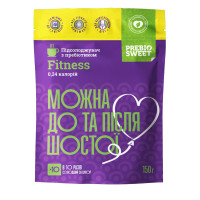
-200x200.jpg)
-200x200.jpg)