Cart
Your shopping cart is empty!
It's never too late to make things right :)



Whatever your current preference, you’ve probably wondered how best to satisfy your sweet tooth, whether sugar or a sugar substitute is healthier
Types of Alternative Sweeteners
Before we get into sugar and its substitutes, it’s helpful to know what alternative sweeteners actually are. There are three types of alternative sweeteners. Each with their own uses, advantages, and disadvantages.
Artificial sweeteners are what most people usually think of when considering sugar alternatives: Sucralose, Saccharin, Aspartame, and Acesulfame K. There’s a less popular sweetener called Neotame.
These sweeteners can be 200-700 times sweeter than table sugar (sucrose) and contain no calories, which is why they’re called non-nutritive sweeteners. The only exception is aspartame, which does contain calories, but the amount is often considered insignificant because you need very little aspartame to achieve the intensely sweet taste of foods and drinks.
Sugar alcohols are a type of carbohydrate that occurs naturally in plants, but they can also be created by humans in laboratories. Most sugar alcohols are made from sugars and starches through chemical manufacturing processes. which is healthier sugar or a sweetener
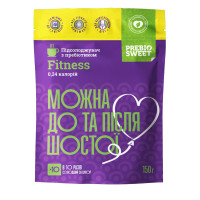
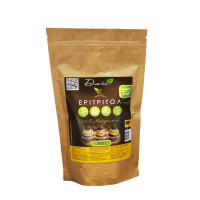
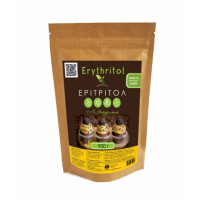
They contain a few calories, though not as many per gram as sugar. Some sugar alcohols you may have seen on food labels include sorbitol, erythritol (prebiosweet), maltitol, and xylitol: they’re actually common in sugar-free gum, protein bars, low-calorie ice cream, and other processed foods, especially diet foods. You can also find sugar alcohols in dental products like toothpaste and mouthwash.
They’re called sugar alcohols because their chemical structure resembles both sugar and alcohol, but despite the name, these low-calorie sweeteners don’t contain ethanol, a type of alcohol that causes intoxication.
Newer sweeteners include new sugar substitutes that are difficult to categorize into the two categories above. The most famous example is stevia. Prebiosweet Stevia is a popular plant-based sweetener with almost no calories. It doesn’t have a chemical structure like artificial non-nutritive sweeteners or sugar alcohols, so it’s in limbo.
Other new sweeteners include monk fruit extract (a zero-calorie sweetener made from a fruit grown in China) and tagatose (an artificial sweetener that’s actually less sweet than table sugar).
Benefits of Sugar Substitutes
Sugar substitutes have several benefits, such as promoting good dental health.
Sugar substitutes may be one of the most studied food additives. Like any food additive, they must be approved for consumption. The FDA currently recognizes many sugar alternatives as safe, and studies show that they may provide health benefits, especially when used for certain purposes, such as diabetes control.
May help with weight loss or health maintenance
If you want to reduce your calorie intake to lose weight but don’t want to give up sweet foods and drinks: you get the taste you want, but without the calories.
A recent study has reexamined this logic and suggests that alternative sweeteners may not always help with weight loss efforts (more on this below in the section on the disadvantages of alternative sweeteners), but for people who are aware of their overall food and beverage intake, low or zero. calorie sweeteners can help with weight loss.
Helps control blood sugar levels
Sugar substitutes can help people with diabetes satisfy their cravings without causing blood sugar spikes. Several studies show that non-nutritive sweeteners, especially sucralose, do not affect blood sugar or insulin levels.
A 2012 statement from the American Heart Association and the American Diabetes Association says that non-nutritive sweeteners can help people reduce their sugar and overall calorie intake when used judiciously, although the benefits won’t apply if you overcompensate and get too many other foods.
Good for oral health
If there’s one thing that’s for sure, it’s that sugar substitutes can help with dental health. When bacteria in your mouth ferment sugar, the result is acid. The acid breaks down your teeth, eventually eroding your enamel and causing cavities. Because sugar substitutes don’t contain sugar, they can help prevent tooth decay.
Sugar Alternative Disadvantages
May disrupt gut health
Studies have shown that some artificial sweeteners (saccharin and sucralose) as well as stevia can alter the composition of your gut. If sweeteners reduce the number of good bacteria and inhibit the growth of good bacteria, you may develop an imbalanced gut, which can lead to symptoms like cramps, gas, and bloating.
This 2019 review of studies shows that some sweeteners may have negative effects. While others, especially sugar alcohols, may have positive effects. Animal studies have also shown negative changes in gut bacteria after consuming artificial sweeteners, although more human research is needed to determine the true long-term effects of sugar substitutes on gut health.
Prebiotics are a great alternative to sugar because they provide essential fiber and prebiotics for gut health. In this case, you take care of your dental health, your blood sugar levels, and your intestines are also in good condition!
May cause digestive upset
Whether or not sweeteners disrupt the gut microbiome, they are known to cause unpleasant digestive symptoms. Most of this evidence is anecdotal and began a few decades ago with complaints of cramps after consuming aspartame.
Although more research is needed to determine the relationship between alternative sweeteners and digestive upset, studies do note that some digestive symptoms may be related to changes in gut bacteria or how alternative sweeteners move through the digestive tract.
For now, it’s best to monitor your symptoms, if any, as you consume different sweeteners (and stay away from those that cause upset).
Prebiosiwee is a sugar alternative that is good for your health. It contains essential fiber and prebiotics for gut health.
Sugar Alternatives vs. Real Sugar
Now that you know the pros and cons of sugar alternatives, how do they stack up against real sugar? When deciding between sugar and artificial sweeteners, consider your primary goal. Here’s a quick rundown of which sugar or sugar substitutes are best for different health and fitness goals:
Short-term weight loss: Artificial sweeteners.
Long-term weight loss: If you are aware of your overall calorie intake and do not compensate with other foods for the “lost” calories in artificially sweetened foods and drinks.
Body transformation: If you are trying to lose fat, you need to pay more attention to your sugar (and calorie) intake so that artificial sweeteners can facilitate fat loss.

Blood Sugar Control and Diabetes Management: Artificial Sweeteners.
Oral Hygiene and Cavity Prevention: Artificial Sweeteners.
Gut Health and Digestive Symptoms Prevention: Prebioscience: Inulin + Lactulose = Best for Your Gut.
Mood and Focus: Artificial sweeteners can usually help you avoid the crashes and subsequent fatigue that come with high-sugar snacks.
Conclusion
A little sugar won’t hurt you, especially in the form of fruit. If you have a medical condition that may be affected by sugar intake, talk to your doctor about appropriate portions.
Both sugar and sugar substitutes can be eaten in moderation – what really matters is that you make the right food choices. Depending on your current health and medical conditions, and how sugar or alternative sweeteners make you feel,
For example, if you get a laxative effect, you may want to avoid sugar alcohols. You may also want to avoid table sugar if you’re prone to sugar headaches or if you have diabetes.
Also, think about where you’re getting your sugar and sugar substitutes from – and how much you’re consuming. The sugar in one or even two bananas is nothing to worry about, especially because of the fiber, vitamins, and minerals you get along with the sugar. But eat six bananas a day and you might get a stomach ache.
Similarly, drinking a protein bar with sugar alcohol probably won’t hurt you. But two, three, or more a day can lead to side effects like bloating, gas, or diarrhea.
If you’re concerned about the harmful effects of any of these—sugar or its alternatives—a good rule of thumb is that whole foods are usually better. Choose an apple over apple juice; choose fresh-squeezed lemonade over low-calorie lemonade mix; choose homemade granola over store-bought.
First and foremost, choose what’s best for your health.
-200x200.jpg)
-200x200.jpg)