Cart
Your shopping cart is empty!
It's never too late to make things right :)



Erythritol is one of the most popular “natural” zero-calorie sweeteners.
Calories. Sugar has 4 calories per gram, while erythritol has 0. This is because erythritol has no chance to be “metabolized” — converted into energy in your body.
Safety. Although erythritol is one of the newer sugar alcohols on the market, researchers have conducted a number of studies on it in animals and humans. The World Health Organization (WHO) approved erythritol as safe in 1999, and the FDA did the same in 2001.
Diabetes protection and support. Erythritol does not affect glucose or insulin levels. This makes it a safe sugar substitute if you have diabetes. It also has no significant effect on total cholesterol, triacylglycerol, or free fatty acid levels.
Taste. Erythritol tastes sweet. It’s very similar to table sugar.
Protects teeth. In most cases, bacteria in your mouth break down regular sugars and starches, turning them into acid. This can wear away your enamel and lead to cavities. But the FDA says erythritol is good for your teeth because it slows the growth of one type of bacteria and reduces the acidity that bacteria produce.
Helps with weight loss and weight management. Most people who are trying to lose weight cut back on sugar and switch to artificial sweeteners if they can’t cut out sugar completely. Adding it to drinks, cakes, or sweets will reduce the buildup of glucose in the blood that causes weight gain.
May support heart health. A small pilot study in adults with type 2 diabetes found that taking 36 grams of erythritol daily for a month improved blood vessel function, which may reduce the risk of heart disease. However, the study is very small and needs to be replicated before any strong conclusions can be drawn.
Promotes gut comfort. Many sugar substitutes have been linked to digestive issues such as diarrhea and bloating, but erythritol may be an exception. Due to its lower molecular weight, research has shown that erythritol does not cause the same stomach problems as other sugar alcohols.
How much can I eat? There are no official recommendations for erythritol use, but most people can take 1 gram for every kilogram of weight daily. So if you weigh 70 kg, you can consume 70 grams of erythritol per day, or more than 13 teaspoons.
How to use it. You can use erythritol in much the same way as sugar. You can add it to drinks, sprinkle it on dairy products, and porridge. It is also easy to add to baking. Remember, this is a sugar substitute, not real sugar, so your baked goods may have a different taste or texture than you're used to.
How to cook. While erythritol is found in many packaged foods, it can be difficult to find on its own. However, erythritol can be used as a sugar substitute in recipes at a 1:1 ratio.
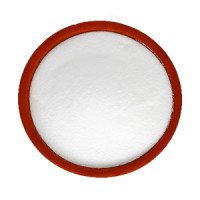
Erythritol is almost as sweet as sugar, making it a popular alternative for low-calorie baking or cooking. It comes in both granulated and powdered forms.
Since erythritol and sugar have the same sweetness, you can use it as a sugar substitute in recipes at a 1:1 ratio. However, for some recipes, erythritol is slightly less sweet than sugar, so you may need to use 20% more.
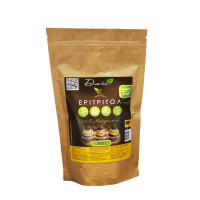
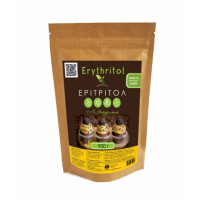
-200x200.jpg)
-200x200.jpg)
-200x200.jpg)