


Cart
Your shopping cart is empty!
It's never too late to make things right :)


What is sorbitol?
Sorbitol is a sugar alcohol that is formed when the monosaccharide glucose gets company with two hydrogen atoms. This is done by hydrolysis. Glucose is made from starch, which comes from potatoes, corn, wheat or any starch-rich crop.
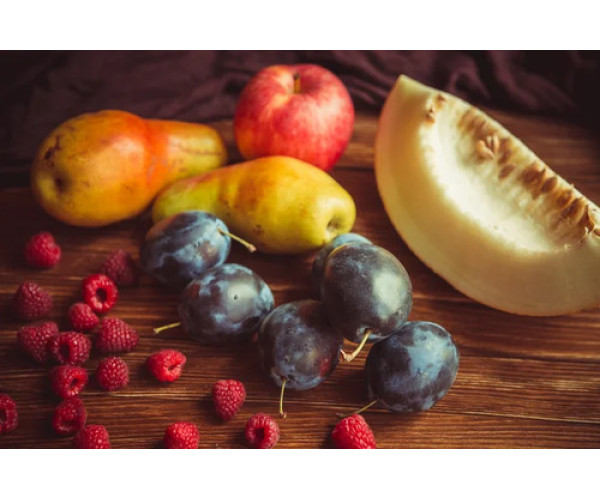
We also find sorbitol in nature. For example, various types of berries and fruits, such as plums, pears, strawberries and raspberries. And rowan berries. It is from the Latin name for rowan berries - Sorbus aucuparia - that sorbitol gets its name.
Sorbitol instead of sugar?
Sorbitol has 50 to 60 percent of the sweetness of sugar. This is one of the reasons why it is difficult to replace sugar with sorbitol alone. To get the same sweetness as sugar, you need twice as much sorbitol.
It is rarely possible to replace sugar with twice the amount of sorbitol. The main problem is not the doubling of volume and weight, but the less pleasant stomach sensations that too much sorbitol can cause. No other sugar alcohol allowed in food is as laxative as sorbitol. You can use almost twice as much of other sugar alcohols and almost four times as much of erythritol before it becomes a problem.
But sorbitol has several other properties that make it popular for lowering sugar.
Low GI
First, sorbitol has almost no effect on blood sugar levels. However, sorbitol is not the best in its class. The first place is taken by erythritol, which has no effect at all. But sorbitol is quite decent; its glycemic index (GI) is six with white bread as the benchmark (GI 100).
Functional properties
Sorbitol is a hygroscopic sugar alcohol. This means that it can absorb moisture from the environment. Thus, sorbitol is not only a sweetener, but also a humectant. Sorbitol attracts and releases moisture very slowly.
The slow change in moisture content protects the food and thus contributes to a longer shelf life. It also helps to maintain the proper texture and ensures that the food is dry, which can otherwise lead to an undesirable mouthfeel.
Thanks to these properties, we find sorbitol in sauces, ice cream, jam, marmalade, cereals, pastries and various desserts.
Stable ingredient
Sorbitol is a strong opponent of oral bacteria. Oral bacteria cannot break down sorbitol (like other sugar alcohols), thus preventing acid attacks and cavities.
A hot oven is no problem either. Sorbitol is heat-resistant.
Cooling effect
Sorbitol is endothermic. This means that when sorbitol dissolves in a liquid, heat is taken from the environment. The result is a cooling effect. When you eat sorbitol, you feel a cold sensation in your mouth.
In some cases, the cooling effect can be a bit of a negative, but in chewing gum, cough drops, and ice cream, it works well, especially if they are flavored with mint, cinnamon, or spearmint.
Not so sweet
The sweetness of sugar alcohols ranges from 50 to almost 100 percent of the sweetness of regular sugar. Sorbitol is at the lower end of the scale, around 50 percent.
The low sweetness compared to sugar and the laxative effect (the worst of all sugar alcohols) make it almost impossible to use sorbitol as a sugar substitute. At least if the sweetness is to be the same. In such cases, you will need a high-intensity sweetener.


-200x200.jpg)
-200x200.jpg)
-200x200.jpg)


