Cart
Your shopping cart is empty!
It's never too late to make things right :)


Chernyaeva Olena / Modern Pharmacy Magazine
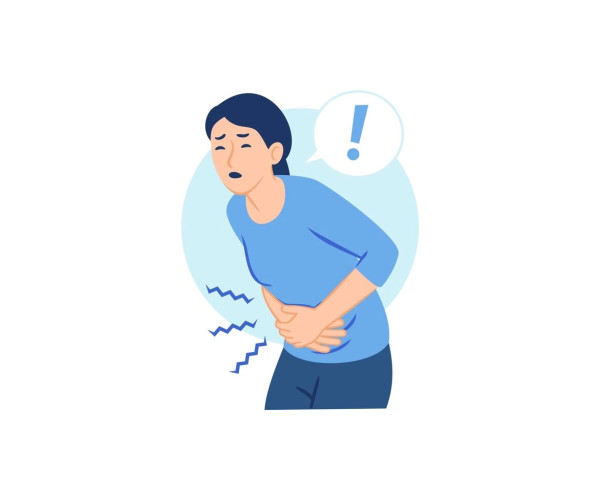
Almost every person has encountered a problem like constipation at least once in their life. And it is not surprising, because it is one of the most common disorders of the gastrointestinal tract (GI): according to statistics, constipation affects from 10% to 20% of the population of different social and age groups.
The causes of constipation can be both congenital pathology of the gastrointestinal tract, and irregular and improper nutrition, constant stress, a sedentary lifestyle, as well as a deficiency of vegetables and fruits in the diet. All this undoubtedly affects the well-being, including the functioning of the digestive tract. Interestingly, many well-known gastroenterologists tend to believe that approximately 50% of chronic constipation is due to psychogenic factors. That is, the habit of experiencing and worrying "about and without" is also a frequent cause of irregular or difficult bowel movements.
THIS IS IMPORTANT!
Constipation in the elderly is often associated with the habit of cleansing the intestines with enemas or suppositories. Moreover, many people use soap solutions for enemas, and suppositories are purchased from those advertised on TV, and not from those prescribed by a doctor. But with frequent cleansing procedures, the colon becomes "lazy", and the use of inappropriate medications or solutions can lead to intestinal irritation.
How does constipation occur?
The colon performs at least three functions: water retention; providing bacteria with the opportunity to break down dietary fiber into absorbable nutrients; accumulation and expulsion of food residues at the appropriate time and place. The complex interaction between absorption, intestinal motility and the function of the internal and external sphincters in most cases ensures the proper functioning of the colon. However, when the gastrointestinal tract is disturbed, the transit of contents through the intestine slows down and the act of defecation is disturbed. Patients complain of a change in the usual frequency and rhythm of bowel movements for this person, a small amount of feces or increased hardness and dryness, and in addition, the lack of a feeling of complete bowel emptying after defecation. The pharmacist must remember that the presence of even one of the above indicates constipation.
Constipation – from discomfort to serious consequences
In fact, constipation is a serious problem, the consequences of which should not be underestimated. Although this condition may be limited to a feeling of discomfort in the abdomen, in the future the risk of developing more serious diseases accompanied by severe pain syndrome, and in some cases requiring surgical intervention, is not excluded. Experts note that chronic constipation contributes to the development of hemorrhoids. In addition, with constipation, fecal masses become harder due to significant absorption of the liquid component of feces by intestinal cells, so when moving they can damage the lining of the rectum and lead to the formation of anal fistulas. Researchers also warn about the possibility of rectal prolapse due to the need to strain during defecation. However, even in the absence of any complications, the discomfort that occurs as a result of chronic constipation is not a reason to close your eyes to the problem and continue to ignore it.
Laxatives: do no harm!
Laxatives are among the most widely used medications for the treatment of constipation. Factors such as an aging population, misconceptions about normal and desirable bowel frequency, fear of the consequences of constipation, and the availability of over-the-counter laxatives have led to their widespread use and increased incidence of adverse reactions. At the same time, fear of possible side effects may lead to underuse by patients who need laxatives to regulate their bowel habits. Therefore, it is especially important to remember the specifics of the use of different groups of laxatives. In particular, stimulant laxatives have traditionally been recommended only for short-term use, because their long-term use, according to many, can disrupt normal colon function, cause drug dependence, damage the intestinal nervous system and/or intestinal smooth muscle, and increase the risk of colorectal cancer and possibly cancers of other locations. In order not to aggravate the problem of constipation, the body needs a mild, effective and natural laxative.
Amazing disaccharide
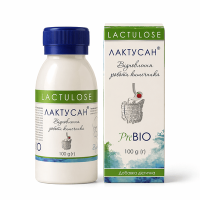
Lactulose is a disaccharide synthesized from lactose in 1929 by Montgomery and Hudson (E. Mont-gomery and C. Hadson). Currently, one of the main indications for the appointment of lactulose is constipation, and a prominent representative of drugs based on it is PRELAXAN®. The fact is that the laxative effect of lactulose in constipation is provided by two mechanisms. Since there are no enzymes in the small intestine to break down lactulose, it reaches the right sections of the colon practically unchanged. Then, with the help of saccharolytic bacteria, lactulose is broken down to short-chain fatty acids (lactic, acetic, propionic and oleic). This leads to a decrease in pH in the lumen of the colon, i.e. acidification of its contents. Due to the war, colonic peristalsis is stimulated mainly by propulsive waves. The second mechanism is that acidification of the colonic contents with short-chain fatty acids is accompanied by an increase in osmotic pressure in it. This leads to an increase in the volume of fecal masses, intensification of intestinal peristalsis and a decrease in the transit time of intestinal contents. Speaking about the advantages of the laxative effect of lactulose in the form of the drug Prelaksan, it should be noted:
disaccharide stimulates peristalsis and eliminates constipation in a physiological way for the intestine;
According to studies, PRELAXAN® at a dose of 5 ml per day effectively and safely (no adverse reactions were detected) stimulates intestinal motility in children aged 1–3 years who suffer from functional constipation. The safety of lactulose (PRELAXAN®) is ensured by a number of factors, which makes it the drug of choice for constipation in pregnant women. The increase in the biomass of saccharolytic bacteria when taking lactulose is accompanied by active utilization of ammonia and amino acid nitrogen, the formation of ammonia by proteolytic bacteria, the time of its presence in the intestine and absorption are reduced. This is of great importance from the point of view of detoxification and a positive effect on the liver function of pregnant women. Lactulose helps reduce intoxication in early toxicosis and gestosis of pregnant women. It is also safe and effective in the postpartum period, in lactating women. The disaccharide reduces the need for enemas in women in labor by 10 times, does not reduce lactation, does not affect the qualitative composition of milk. In addition, lactulose (PRELAXAN®) is the drug of choice for the treatment of constipation in the elderly. There are a number of reasons for this:
the laxative effect does not require additional fluid intake;
pharmacoeconomically advantageous, which is confirmed by a number of studies. Lactulose, despite its higher cost compared to some other laxatives (for example, senna preparations), is pharmacoeconomically advantageous in the treatment of irritable bowel syndrome.
And the lack of the need for additional fluid intake is very important in the treatment of patients with circulatory failure, with concomitant kidney diseases.
THIS IS IMPORTANT!
By reducing the pH level in the intestine, lactulose (PRELAXAN®) increases the content of unbound calcium, which helps improve its passive transport; lactulose increases calcium deposition in bones and inhibits its resorption from bone, which is especially important in osteoporosis, a problem of women during menopause and the elderly.
A very important quality of lactulose is that, while taking it, patients can stop using laxatives with an irritating effect. Currently, lactulose has also found application in the treatment of postoperative constipation. Moreover, it is prescribed not only to restore intestinal motor function, but also for the prevention and treatment of bacterial overgrowth syndrome, bacterial complications in surgical practice, as well as for preparation for endoscopic examinations of the colon. It is worth noting the effect of lactulose on the growth of various strains and groups of bacteria inhabiting the colon, the physicochemical parameters of the colon contents (pH and osmotic pressure) and peristalsis of both the colon and the small intestine, especially the terminal ileum. In the colon, lactulose leads to inhibition of proteolytic bacteria Clostridium, Enterobacter, Bacteroides and stimulation of the growth of lactic acid microflora - Bifidobacterium, since protein breakdown is reduced due to increased carbohydrate metabolism. Due to its prebiotic effect, lactulose is effective in various intestinal infections, in particular salmonella enteritis, dysentery, etc. Lactulose is the standard for the prevention and treatment of encephalopathy worldwide due to its effect on the formation and excretion of ammonia from the body. Lactulose is effective in conditions of radiation contamination for the excretion of heavy metals, the treatment of liver and biliary tract diseases in liquidators of the Chernobyl accident; it is indicated for the prevention and treatment of diseases caused by occupational hazards, as well as for residents of environmentally unfavorable regions.
Efficiency guaranteed by professionals
As mentioned above, the pharmaceutical market of Ukraine presents the drug based on lactulose PRELAXAN®. Let's talk about it in more detail. PRELAXAN® is produced using the latest technologies from environmentally friendly raw materials from the Austrian supplier "Fresenius Kabi Austria GmbH". It is worth noting that when developing the drug PRELAXAN®, the manufacturing company adhered to the firm goal of creating a means for effective restoration of the protective microflora of the body, suppression of the activity of pathogenic microorganisms, stimulation of immunity, synthesis of vitamins and ensuring normal digestion. Thus, PRELAXAN® appeared on the Ukrainian market, which consists of 96–99% lactulose. Currently, Prelaxan is available in two forms: syrup and powder, which allows for therapy taking into account the individual characteristics of the patient. Syrup may be relevant for children from 1 year of age. It is known that children's bodies are much more demanding regarding the organoleptic properties of products, such as taste, smell, color. The sweetish taste of PRELAXAN® syrup will solve this problem even for the most capricious kids. But PRELAXAN® powder, available in 10 g bags, is of particular interest to those whose lives are inextricably linked with traveling and long stays away from home. Most often, it is enough to use the contents of 1 bag once a day. It is easy to calculate the required number of bags and take them with you. Due to the fact that Prelaxan contains only 4% residual sugars, this allows us to recommend this product to patients with diabetes. Thus, the effective and safe laxative PRELAXAN® can not only eliminate constipation, but also significantly improve the patient's quality of life, return many of the joys of life to him. Give preference to the best - and be healthy!


-200x200.jpg)