Cart
Your shopping cart is empty!
It's never too late to make things right :)


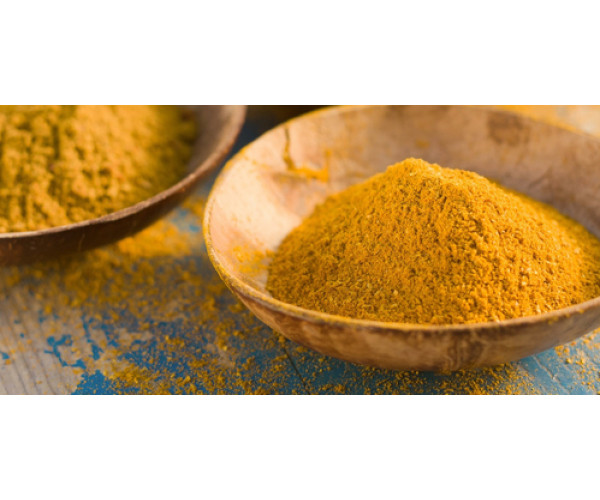
Turmeric is a plant with a very long history of medicinal use, dating back almost 4000 years. Modern medicine has begun to recognize its importance, as indicated by the more than 3000 publications on turmeric published in the last 25 years. This review first discusses in vitro studies with turmeric, then animal studies, and finally human studies; then it discusses the safety and efficacy of turmeric.
CONTENT OF TURMERIC
More than 100 components have been isolated from turmeric. The main component of the root is a volatile oil containing curcumin, and turmeric contains other pigments called curcuminoids. Curcuminoids consist of curcumin, demethoxycurcumin, 5′-methoxycurcumin, and dihydrocurcumin, which are natural antioxidants.
CONSUMPTION AND VALUE
Turmeric has been used as a food, cosmetic, and medicine. Some estimates suggest that $10 billion is spent annually on alternative therapies. Over $650 million is spent on botanical supplements used for chronic inflammatory diseases such as chronic obstructive pulmonary disease (COPD), asthma, and rheumatoid arthritis.
Several traditionally used medicines have anti-inflammatory activity. Turmeric is one such herb.
Turmeric is used as a herbal medicine. rheumatoid arthritis, chronic anterior uveitis, conjunctivitis, skin cancer, smallpox, chickenpox, wound healing, urinary tract infections, and liver disease ( Dixit, Jain, and Joshi 1988 ). It is also used for digestive disorders; to reduce jaundice, menstrual difficulties, and piles; for abdominal pain and distension (Bundy et al. 2004); and for dyspeptic conditions, including loss of appetite, feeling of fullness after eating, and complaints of the liver and gallbladder. It has anti-inflammatory, choleretic, antimicrobial, and carminative effects (Mills and Bone 2000). The main clinical targets of turmeric are the digestive organs: in the intestine for the treatment of diseases such as familial adenomatous polyposis (Cruz-Correa et al. 2006); in the intestine for the treatment of inflammatory bowel disease (Hanai and Sugimoto 2009); and in the colon for the treatment of colon cancer (Naganuma et al. 2006).

Current in vitro studies have shown that turmeric is a potent antioxidant, anti-inflammatory, antimutagenic, antimicrobial, and antitumor agent.
Turmeric, used in cooking and home remedies, has significant antioxidant capabilities at various levels of action. Studies suggest that sufficient levels of turmeric can be consumed with curries in vivo to provide adequate antioxidant protection. (Tilak et al. 2004).
As an antioxidant, turmeric extracts can scavenge free radicals, increase antioxidant enzymes, and inhibit lipid peroxidation. Turmeric (100 μg/ml) inhibited lipid peroxidation in renal cells against hydrogen peroxide-induced injury when incubated with the cells for 3 hours (Koly et al. 1998).
In addition to these properties, turmeric has strong antimicrobial properties.
The growth of histamine-producing bacteria (Vibrio parahaemolyticus, Bacillus cereus, Pseudomonas aeruginosa, and Proteus mirabilis) was inhibited by 5% garlic and turmeric extracts (Paramasivam, Thangaradjou, and Kannan 2007).
Ethanol extracts of C. longa have good antifungal activity
Tests using the agar disk diffusion method for antifungal activity showed that the crude ethanol extract of turmeric killed all 29 clinical strains of dermatophytes tested. This extract had a zone of inhibition range of 6.1–26.0 mm (Wuthi-udomlert et al., 2000).
.
Antitumor activities of turmeric
Include inhibition of cell proliferation and induction of apoptosis of cancer cells. A-turmerone, isolated from turmeric, induced apoptosis in human leukemia cells Molt 4B and HL-60 by fragmenting DNA into oligonucleosome-sized fragments, a known step in the apoptosis process ( Aratanechemuge et al. 2002 ). Moreover, nucleosome DNA fragmentation induced by a-turmerone was associated with induction of Bax and p53 proteins, but not B-cell lymphoma 2 (Bcl-2) and p21, and activation of mitochondrial cytochrome c and caspase-3 ( Lee 2009 ). This study showed that turmeric extract inhibits the production and secretion of hepatitis B surface antigen from HepG 2.2.15 cells, an activity that is mediated by enhancing cellular accumulation of p53 protein by transactivating p53 gene transcription, as well as increasing p53 protein stability ( Kim et al. 2009 ).
In various models, turmeric has been reported to exhibit activity against skin cancer ( Villaseñlor, Simon, & Villanueva 2002 ), breast cancer ( Deshpande, Ingle, & Maru 1998a ), oral cancer ( Azuine & Bhide 1992 ), and gastric cancer ( Azuine & Bhide 1992b ).
It prevents carcinogenesis at various stages, including inhibition of mutation (Polasa et al. 1991), detoxification of carcinogens (Thapliyal, Deshpande, and Maru 2001), reduction of cell proliferation, and induction of tumor cell apoptosis (Garg, Ingle, and Maru 2008).
They also observed that up to 75% of the animals survived after 30 days and 50% after 60 days of treatment (Fig. 13.2b). In a hamster buccal pouch carcinogenesis model induced by 7,12-dimethylbenz(a)anthracene (DMBA), dietary turmeric (1%) reduced tumor burden and multiplicity and increased the latency period. The mechanisms of anticarcinogenesis were mediated by inhibition of DMBA-induced expression of the oncogene product, induction of p21 and its downstream targets, mitogen-activated protein kinases, and reduction of proliferating cell nuclear antigens and Bcl-2 expression. Turmeric also enhanced apoptosis, reduced inflammation, and induced aberrant expression of known differentiation markers, i.e. cytokeratins ( Garg, Ingle, and Maru 2008 ).
Studies:
Dose-dependent inhibition of tumor growth in mice by turmeric extracts. Mice were injected with Dalton lymphoma cells (1 million) intraperitoneally. After randomization, turmeric was administered to mice. (n = 8) at the indicated concentration (more...)
Topical application of turmeric has been shown to reduce the multiplicity and onset of skin tumors. Villaseñor, Simon, and Villanueva 2002 ). Dietary administration of 1% turmeric in 0.05% ethanolic turmeric extract has been shown to inhibit DMBA-induced mammary tumorigenesis in female Sprague–Dawley rats ( Deshpande, Ingle, and Maru 1998a ). Dietary turmeric inhibited ethyl (acetoxymethyl) nitrosamine-induced oral carcinogenesis in Syrian hamsters.
Turmeric has shown antioxidant potential by reducing oxidative stress in animals.
A study showed that a diet containing 0.1% turmeric fed to retinol-deficient rats for 3 weeks reduced the rate of lipid peroxidation by 22.6% in the liver, 24.1% in the kidney, and 18.01% in the brain (Kaul and Krishnakantha 1997). A study in mice showed that turmeric extract inhibited the peroxidation of membrane phospholipids and enhanced lipid metabolism in the liver.
Turmeric also appears to be useful in preventing diabetes-induced oxidative stress. In diabetic rats, AIN93 diet containing 0.5% turmeric was found to control oxidative stress by suppressing the increase in thiobarbituric acid-reactive substances and protein carbonyls, and reversing the activity of antioxidant enzymes without altering the hyperglycemic state (Arun and Nalini 2002; Suryanarayana et al. 2007).
This diet also suppressed the expression of vascular endothelial growth factor in diabetic rats ( Mrudula et al. 2007 ). Furthermore, it suppressed the increase in blood glucose levels in KK-Ay type 2 diabetic mice.
In addition, turmeric minimized osmotic stress. Most importantly, aggregation and insolubility of lens proteins due to hyperglycemia was prevented by turmeric, indicating that it prevents or delays the development of cataracts ( Suryanarayana et al., 2005 ).
Turmeric has been reported to be hepatoprotective.
Diets containing turmeric extract suppressed the increase in lactate dehydrogenase (LDH), alanine aminotransferase (ALT), and aspartate aminotransferase (AST) levels induced by D-galactosamine liver injury in rats ( Miyakoshi et al. 2004 ). A 5% turmeric extract reduced the elevations in bilirubin, cholesterol, AST, ALT, and alkaline phosphatase (ALP) in mice induced by carbon tetrachloride (Deshpande et al. 1998b). In female Wistar rats fed a diet containing 0%, 0.2%, 1.0%, or 5.0% turmeric, nitrosodiethylamine inhibited hepatocarcinogenesis. This effect was detected by measuring the number of γ-glutamyl transpeptidase-positive foci, a marker of hepatocarcinogenesis (Thapliyal et al. 2003).
Turmeric is also effective against neuronal, cardiac, and renal disorders.
The effects of turmeric on myocardial apoptosis and cardiac function were investigated in a model of myocardial ischemia and reperfusion injury. Turmeric at a dose of 100 mg/kg administered for 1 month provided significant cardioprotective protection and functional recovery, which was attributed to reduced cell death ( Mohanty, Arya, and Gupta 2006 ).
Turmeric is also beneficial against depression
The ethanol extract significantly attenuated the stress-induced decreases in serotonin, 5-hydroxyindoleacetic acid, norepinephrine, and dopamine concentrations, as well as the increase in serotonin turnover. Furthermore, this extract significantly reversed the stress-induced increases in serum corticotropin-releasing factor and cortisol levels during swimming, and thus regulated the neurochemical and neuroendocrine systems in mice ( Xia et al. 2007 ). In another study, administration of aqueous extracts of turmeric to mice (140–560 mg/kg for 14 days) reduced immobility in the tail suspension test and forced swim test ( Yu, Kong, and Chen 2002 ).
The anti-arthritic effects of turmeric include inhibition of joint inflammation and periarticular joint destruction.
Treatment with turmeric extract in vivo prevented local activation of NF-κB and subsequent expression of NF-κB-regulated genes that mediate inflammation and joint destruction, including chemokines, COX-2, and receptor activator of NF-κB ligand (RANKL). It also suppressed inflammatory cell influx, articular PGE2 levels, and periarticular osteoclast formation in rats ( Funk et al., 2006 ).
Yellow turmeric powder is known to have potent vasorelaxant activity and reduce the atherogenic properties of cholesterol. A study showed that dietary supplementation of turmeric controlled arterial blood pressure in animals and enhanced the vasorelaxant response to adenosine, acetylcholine, and isoproterenol ( Zahid Ashraf, Hussain, and Fahim 2005 ). The antiatherosclerotic effect of turmeric is associated with the inhibition of low-density lipoprotein oxidation, prevention of lipoperoxidation, and reduction of cholesterol levels (Quiles et al. 1998; Ramirez-Tortosa et al. 1999).
Turmeric inhibits Freund's adjuvant-induced arthritis and acute edema in rats, and an oil extract of turmeric has been reported to be more active than cortisone (Chandra and Gupta 1972).
-200x200.png)
-200x200.png)