Cart
Your shopping cart is empty!
It's never too late to make things right :)


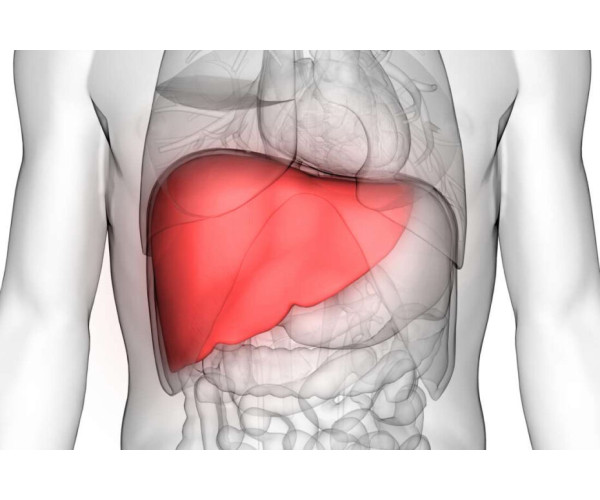
Portosystemic encephalopathy, also called hepatic encephalopathy, is often diagnosed in patients with advanced cirrhosis. It is caused by the accumulation of toxic breakdown products (such as ammonia) in the blood and is characterized by mental and neurological changes that can lead to coma.
There are 5 degrees of severity of hepatic encephalopathy: from latent, in which there are no clinical symptoms and its signs are detected only with psychometric tests, to coma.
The main factors in the development of PSE are:
Principles of treatment of PSE with LACTULOSE:
Ammonia plays a key role in the development of PSE and the main therapeutic measures should be aimed at reducing its concentration in the blood.
Lactulose is the most widely used and highly effective drug in the complex treatment of PSE. The action of lactulose in PSE can be realized through a number of mechanisms:
1) inhibition of the production of ammonia and other xenobiotics;
2) utilization of the formed ammonia;
3) impaired absorption and rapid excretion of ammonia with feces.
The decrease in ammonia formation is due to acidification of the colonic contents, a decrease in the number and decrease in metabolism, which produces urease of proteolytic microflora, catabolic inhibition of bacterial decomposition of amino acids. The utilization of the formed ammonia increases due to the increase, under the action of lactulose, of the biomass of bacteria that assimilate nitrogen-containing substrates for the synthesis of their own protein. The impaired absorption of ammonia is associated with the ability of two lactulose molecules to bind one molecule of ammonia entering the cecum from the small intestine. In addition, lactulose-induced diarrhea plays a role in the removal of ammonia from the intestine. Lactulose promotes the production of non-toxic and reduces the content of toxic C 4-6 short-chain fatty acids.
Numerous studies have confirmed the effectiveness of lactulose in PSE and it currently occupies the first place in a number of drugs in the therapy of this syndrome.
Treatment of acute and severe chronic PSE should be started with rectal administration of lactulose in the form of cleansing enemas. The dose of lactulose, when taken by the patient, causes defecation 2-3 times a day. The optimal duration of treatment is 6-8 weeks.