Cart
Your shopping cart is empty!
It's never too late to make things right :)


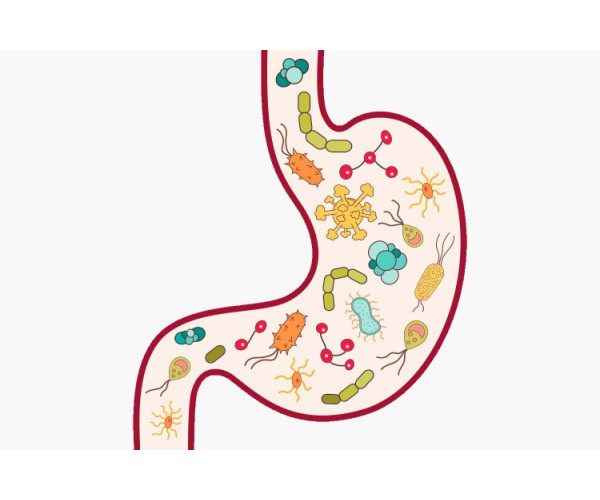
The problem of dysbacteriosis - a bacteriological change in the intestinal microflora, which is observed to one degree or another in the vast majority of the population (in prosperous Germany, according to the World Health Organization, 90%) - is known even to those who are not related to medicine.
In the current ecological and socio-economic situation, the following set of causes of dysbiotic changes is characteristic: massive and often uncontrolled use of various antibacterial and hormonal drugs, increased radiation background, a variety of stressful situations, irrational and inadequate nutrition, acute intestinal infections, inflammatory diseases, food products, air and water pollution, uncontrolled use of antibiotics in feed that enter our body along with meat, radiation exposure during accidents and during radiation therapy, chemotherapy, etc. It has been proven that bifidoflora is depleted with age.
It is generally recognized and huge role played in maintaining human health by bacteria representing one's own (indigenous) normal microflora – mainly bifidobacteria and lactobacill – when they are present in the large intestine in sufficient quantity and in the necessary ratio. A large literature is devoted to this issue.
When the normal vital activity of beneficial microorganisms is disrupted due to the above reasons, all the positive effects on the body - suppression of putrefactive and pathogenic bacteria, production of vitamins, activation of immune processes, protection against intestinal infections, inhibition of the formation of toxins, ensuring the absorption of calcium and other trace elements.
Ways to restore intestinal microflora
There is no doubt about the need to restore one's own microflora for the prevention of a mass of diseases. Developed countries have long paid close attention to this problem, and in some of them, as early as the early 60s, the state level began to support the prevention of many diseases by providing tax breaks to producers of products that were later called "functional food" products, and by disseminating information among the population about the need to consume certain products in the required quantities. By the way, the latter is entrusted to the Ministry of Health. The benefits for everyone here are obvious: for the population - the joy of a healthy life, for companies - expansion of production and increased sales of food products, for the state - savings due to a reduction in the incidence of the population.
In this regard, the functional food program in Japan FOSHU (Food for Specified Health Use), adopted in 1975 and significantly revised in 1991, is illustrative. It was born after a decade of special research by leading institutes commissioned by the Ministry of Health and Welfare as a mechanism for qualitative changes in the health status of the population, mainly through the normalization of intestinal activity. The program's task is to protect the health of the population by adding biologically active elements to the diet and/or removing undesirable ones. This program has become a prototype for such functional nutrition programs in Europe, the USA, and Canada.
The basis of these programs is products containing probiotics (bacterial preparations), prebiotics (bifidogenic factors, i.e. substrates for the quantitative growth of bacteria of normal flora) and symbiotics, or synbiotics (a combination of pro- and prebiotics). Recently, probiotics have been used in countries separately from bifidogenic factors. Since probiotics are very susceptible to oxygen and heating, their use in products is limited, despite their beneficial properties. In addition, they are difficult to deliver to the large intestine in the required quantities due to the existence of natural protective barriers of the body. Based on these circumstances, bifidogenic factors, which are not subject to normal digestive processes, are now used as additives in food products.
Probiotics and their use in the food industry (mainly in the dairy industry) are well known. The use of prebiotics in the production of functional food products is in its infancy, firstly, due to the insignificant presence of bifidogenic factors on the market, secondly, due to the increase in the price of food products when prebiotics are introduced into them, and, thirdly, due to the lack of awareness among the population about the need for their use - information about prebiotics can be found only in specialized literature. In this regard, let us dwell on the description of prebiotics and food products containing them.
Healing through food.
Prebiotics, or bifidogenic factors, are substances that, as a rule, are not broken down by the body's enzyme system, but enter the large intestine unchanged, where they are utilized by bifidobacteria, which leads to their rapid numerical growth. The result is the stimulation of the mechanisms of normoflora activity described above. Therefore, replenishment of insufficient flora, unlike the use of probiotics, is more natural, since it is your own flora that is stimulated and there are no problems with the flora's adaptation and delivery to the large intestine.
At the moment, several types of prebiotics have been classified, which include galactooligosaccharides, fructooligosaccharides, isomaltooligosaccharides, etc. This is a disaccharide obtained from milk sugar, lactose. World production in 1995 was 20,000 tons per year in Japan and Europe alone. It is used as a medicine for the treatment of diseases of the gastrointestinal tract, liver and kidneys. As a food additive with biologically active action, it is used for children's, dietary, preventive, therapeutic and gerontological nutrition. Of the total production, about 67%, or 14,000 tons, is used annually as a functional additive in food products. There are no side effects in food products, the safe, positive effect depends on their percentage content in the product (the degree of effect depends on the percentage content), it affects the reduction of shelf life.
In Japan, in 1992, lactulose was included in the list of ingredients that form the basis of the FOSHU health program as "... a special food material for maintaining the health of the nation and protecting against internal infections." On March 31, 1995, along with other components, lactulose was approved by the Japan Health and Nutrition Association as a component of products that "provides a functional effect on the intestinal microflora, maintaining a normal level of bifidobacteria and good conditions for the functioning of the intestine." The world leader in the production of food products enriched with lactulose is the Japanese dairy corporation Morinaga Milk Industry Co. It was this company that focused its efforts on conducting extensive research on the effects of lactulose on the human body and processing data from other authors after Petueli discovered the bifidogenic activity of lactulose in 1957. In the 1960s, research resulted in the production of a product for formula-fed children – milk enriched with lactulose. Studies have shown that children who consumed this product, whose bifidobacteria content was 25% of the total microbial pool, had 96% of the total by day 11. Toxicological studies and safety tests were also conducted and positive results were obtained. Both were confirmed by large-scale studies. The data on the beneficial effects on the body were so convincing that this product opened a wide path to functional nutrition and the development of the prebiotics industry worldwide. Infant formulas with the presence of lactulose are manufactured in Europe (in France – Alfalac, in the Czech Republic – Relactan, in Sweden – Semper-bifidus) and are supplied to the market.
Doses for lactulose treatment are several tens of grams per day. Recommended doses for disease prevention and correction of intestinal flora are several grams per day. It is these dosages that are interesting to consider from the point of view of adding to food products.
Based on the obvious activity as a bifidus factor and safety for humans, lactulose is currently used not only in the production of baby food, but also in many other products - milk, yogurt, cheese, oil, meat and confectionery products, soft drinks and soft drinks - as a functional ingredient for regulating intestinal activity. The most popular soft drink enriched with lactulose in Japan is Maiasa Sokhai, which has been produced since 1991 by order of the State.
Products with lactulose are constantly being developed. New products offered by Japanese manufacturers to the domestic and international markets in 1999 and 2000 are Aloe Nomu Yogurt, which contains, in addition to lactulose, lactic acid bacteria and calcium, and the milk drink Balance Potage, which contains, together with lactulose, iron, calcium, and dietary fiber. Lactulose is used as a calorie-free sweetener in drinks and other products, without causing tooth decay.
Currently, Japan produces infant formulas enriched with lactulose. The most typical are “LF-P-for infants”, which contains 0.5% lactulose (after dilution in the ready-to-use product, its percentage content is 0.065%), lactoferrin and peptides, and “LF chil-mil”, which contains 0.45% lactulose (in the finished product – 0.058%). The same amount of lactulose is in the infant milk product “BF-T”. This milk, as studies have shown, is practically no different from breast milk in its properties and effect on the body. Breast milk is considered ideal from a positive point of view on the body.
Morita (Japan) demonstrated the effect of taking milk with lactulose by infants who are on artificial feeding. The infant milk contained 0.24% lactulose. The control group received the same food, but without lactulose. Comparisons were made with the group fed breast milk. The highest number of bifidobacteria was found in the feces of breast-fed infants – 87.5%, followed by the group that received milk with lactulose – 66.7%, and the group that ate regular baby food that was on the market at the time – only 26.7%. Other indicators were correlated in the same proportion.
Hoffman et al. (Switzerland) studied the effect of small doses of lactulose on adults and obtained positive results. In the group receiving lactulose, compared to the control group, the level of bifidobacteria in feces increased 10 times, lactobacilli – 10 times, and the level of E. coli decreased 100 times.
Terada et al. (Japan) studied the effect of lactulose on the composition of the microbial flora in the feces of adults. They took 3 g of lactulose orally with food every day for 14 days. Before taking it, bifidobacteria made up 8.3% of the microbial pool. After a week of taking lactulose, the composition changed dramatically. Bifidobacteria made up 47.4% of the total. In absolute terms, the increase in the number of bifidobacteria was from 9.7 decimal logarithms per gram of feces to 10.5 lg, the decrease in the number of bacteroids - from 10.7 to 10.4 lg. At the same time, the level of ammonia, skatole, p-creol, indole and phenol decreased (the same effects are usually obtained in the treatment of hepatic encephalopathy). Changes were also observed in the pH of feces, the indicator decreased from 6.9 to 6.2, which also indicates an improvement in intestinal activity. In addition, measurements were also taken in the upper parts of the intestine, where the pH changed even more strongly - by more than 1.0.
Tomoda et al. found an increase in the frequency of defecation in adults who consumed yogurt or milk daily containing 0.65 g and 4.0 g of lactulose and bifidobacteria, respectively. A significant increase in bifidobacteria in feces was observed.
Bartram et al. (USA) and Nagendra and Venkat Rao (India) also obtained positive results. When healthy adults consumed yogurt (500 ml/d for 3 weeks), enriched with bifidobacteria and lactulose, an increase in the number of bifidobacteria in the secretions was found.
Studies in the field of bifidus factors and their influence on biochemical processes in the body are devoted to research and domestic scientists.
A detailed review of prebiotics was made by Sheveleva S.A.. Rodoman V.E. and Maksimov V.I. devoted many works to prebiotics and their influence on the microecology of the colon. Murashov A.O., Lisitsyn O.B. and Abramov N.A., who are engaged in probiotics, also paid close attention to bifidus factors, and, in particular, to lactulose.
Shcherbakova E.G. (PNDL of Medical Cytology of the Medical Academy of Postgraduate Education of the Ministry of Health) conducted preclinical studies on animals. The results obtained are formulated as follows: “… Lactulose concentrate “Lactusan” has a pronounced bifidogenic effect, stimulating the growth of bifidobacteria in vitro and in vivo…”, “… The bifidogenic effect of “Lactusan” is manifested in a wide range of doses. The optimal bifidogenic effect in vitro is provided by 0.025% and 0.0025% solutions of lactulose “Lactusan”, which corresponds to lactulose concentrations of 100 and 10 μg/ml. Pronounced stimulation of bifido- and lactoflora in mice in a model of dysbiosis induced by ampicillin or tetracycline is manifested when using “Lactusan” at 0.25 ml of 2.5-0.15% solutions, which corresponds to doses of lactulose 125-7.5 mg ,5-8.5 g per day based on the average weight of an adult of 70 kg). Lactulose "Lactusan" has a dose-dependent protective effect on liver tissue and intestinal mucosa, preventing the side toxic effects of high doses of tetracycline and ampicillin. "Lactusan" in the form of a 2.5% solution (dose of lactulose 125 mg/kg) had a pronounced protective effect on liver tissue, mucous membrane of the small and large intestine when used simultaneously with high doses of ampicillin and tetracycline...". "... The maximum effect of "Lactusan" was obtained when lactulose was administered at a dose of 125 mg/kg for 14 days (7 days on the background of tetracycline and 7 days after discontinuation of the antibiotic). The use of "Lactusan" according to this scheme provided the greatest increase in the content of bifido- and lactobacteria, completely prevented the development of tetracycline-induced toxic lesions of the liver and intestinal mucosa...".
The Clinical Hospital of the State Medical Academy conducted a study on patients with gastrointestinal diseases and patients with diabetes mellitus (about 120 patients in total) for 5 months. Conclusions: “… Including lactulose “Lactusan” in the traditional treatment regimen for type 1 and type 2 diabetes mellitus in a volume of 15 ml per day for 7-10 days provides an increase in T cells by 45%, B cells by 92%, immunoglobulins by 12%1-45, which makes the use of “Lactusan” mandatory in the treatment of patients with diabetes mellitus with local and general purulent complications… by itself, for a positive outcome of the disease…” Similar positive results were obtained by Rybalsky and others.
Academician, MD V. E. Rodoman, MD V. I. Maksimov, MD L. T. Kuzmenko, PhD N. I. Petruk conducted tests of lactulose "Lactusan" with the addition of succinic acid salts in the department of the children's city clinical hospital for various diseases (ARVI, intestinal infections, bronchial asthma, obstructive bronchitis, convulsive syndrome) or were observed on an outpatient basis at the department of children's friendship hospitals with diagnoses of atopic dermatitis, intestinal dysbacteriosis, biliary tract dyskinesia. "... The effectiveness of the drug Lactusan was established in two areas: clinical data (mainly, bowel movements) and bacterial analysis data. Clinical data indicate an improvement in bowel function in 85.7%. Clinical improvement occurred both with loose stools and with constipation. Improvement was noted in all cases... Intestinal microecology often showed a general improvement in the composition of the intestinal flora; as a rule, there was an increase in the number of bifidobacteria and lactobacteria, and conditionally pathogenic flora often decreased to normal."
At the moment, the same authors are conducting tests of dairy products enriched with lactulose. Preliminary results confirm the positive effect on the body of sick and conditionally healthy people of products with lactulose.
The results obtained by clinics only confirm the known effects of lactulose on the body. But according to international law, only the results of studies of the properties of a specific product under a specific trademark allow for its use.
Properties of functional food products enriched with lactulose
In a report made at the International Dairy Federation conference in Vienna in August 1996, G. Mizota (Japan) summarized the main properties of products enriched with bifidus factors, the main one of which is lactulose. These include:
Labeling of products containing lactulose.
In Japan in 1991, and in the USA in 1994, legislative acts were adopted that regulate the labeling and packaging of functional food products enriched with biologically active ingredients.
In Japan, lactulose, among other oligosaccharides, is considered a source of dietary fiber for dietary nutrition, and falls under the labeling system provided for by the FOSHU functional food program. In Europe, the status of lactulose varies from country to country, but in most countries it is also perceived as a source of dietary fiber in the food labeling system.
Products included in the functional food system, in addition to a description of their properties, carry a certain sign on the packaging. This sign varies in countries, but is well recognized, since it is supported by certification and supervision bodies through the media. In connection with the prospect of mass introduction of such products into production in our country, certification and supervision bodies should now begin to work on the issue of placing a distinctive mark on the packaging for products with pronounced and confirmed biologically active properties.
The status of lactulose itself as an ingredient in Japan is confirmed by the FOSHU mark, which allows manufacturers who use it in the production of food products to place this mark on the packaging. Manufacturers participating in the functional nutrition program have received permission to write the following information on products containing lactulose: "Lactulose stimulates the quantitative growth of bifidobacteria in the intestines and keeps your digestive organs in good condition."
Products enriched with lactulose in large quantities - for example, Sawayaka milk for stimulating intestinal activity, which contains 4% lactulose - must also include information on the maximum daily or single dose of the product on the label, for example: "Excessive intake may cause loose stools." Some products may be labeled: This product is not a medicine.
It is indicative that the 40 largest Japanese companies that produce products under the FOSHU program were checked for clinical evidence of the positive health effects of their products. The properties of products using only three ingredients, including lactulose, were fully confirmed.
Final remarks
The chief specialist of the food development laboratory of Morinaga Milk Industry Co., Mr. G. Mizota, concludes the article on the physiological significance of lactulose as follows: “The significance of bifidobacteria has been revealed and scientifically substantiated. The importance of lactulose as a bifidus factor could be more widely used not only in pharmaceuticals, but also in nutraceuticals and the food industry. Lactulose can and should be more popular among the population and used in our lives as a sugar with physiological significance. The significance of lactulose in daily nutrition is difficult to overestimate.”
The International Committee on the Use of Lactulose, located in Zurich, Switzerland, basing its conclusions on the data of large studies on lactulose, recommends its use in mass food products as an ingredient that contributes not only to the improvement of the intestinal microecology, but also to the health of the population as a whole.
-200x200.jpg)