Cart
Your shopping cart is empty!
It's never too late to make things right :)


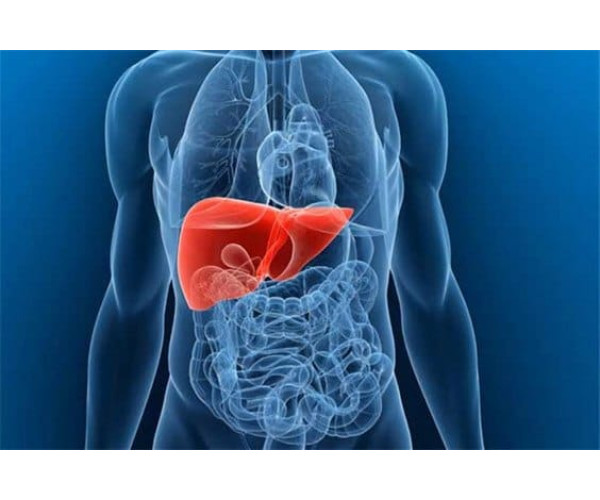
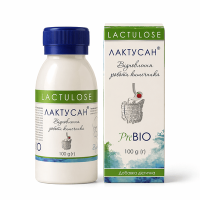
Lactulose, the active ingredient of Lactusan, is a synthetic disaccharide, under the influence of which Lact. acidophilis and Lact. bifidus multiply in the large intestine. Due to this, the growth of putrefactive and other pathogenic microbes is suppressed.
Under the influence of the drug, the formation of nitrogen-containing substances in the proximal part of the large intestine decreases and, accordingly, their absorption into the systemic bloodstream.
Based on these data, the drug should be prescribed for chronic hepatic encephalopathy and intestinal dysbacteriosis, which are characterized by a decrease or absence of lactobacteria and an excess of putrefactive microflora.
The study was conducted in the gastroenterology department of the 2nd Central Medical Clinical Hospital in Kyiv.
The study included 26 patients aged 46 to 54 years, who were divided into 2 groups:
Patients with hepatic encephalopathy were given Lactusan syrup 3 tablespoons (45 ml) 2 times a day for 15 days. The dynamics of clinical signs of encephalopathy and transaminases were assessed. It was noted that after the course of therapy, the phenomena of encephalopathy decreased in all patients, no significant dynamics of transaminases were detected, although a slight decrease was noted in 6 patients.
In the 2nd group of patients with intestinal dysbacteriosis, Lactusan was prescribed 1 tablespoon (15 ml) 1-2 times a day. Already on the 5th-7th day, normalization of bowel movements was noted in all 15 patients. With continued treatment, 6 people developed a tendency to diarrhea, which was stopped by reducing the dose of the drug by half.
A repeated examination of feces for dysbacteriosis was carried out 2 weeks after drug withdrawal. In 12 people, the number of lactobacteria and bifidobacteria reached normal values (1010).
During the study period, no symptoms of poor drug tolerance were noted - nausea, vomiting, abdominal pain.
CONCLUSIONS
The use of Lactusan for 2 weeks in patients with chronic hepatic encephalopathy allows reducing the clinical manifestations of encephalopathy. There is also a positive dynamics of symptoms in patients suffering from dysbacteriosis when the microbial spectrum of the colon is normalized.
Lactusan can be recommended in gastroenterological practice for patients with chronic liver diseases with symptoms of hepatic encephalopathy and patients with chronic persistent constipation caused by dysbacteriosis with a decrease in the number of lactobacteria. The drug is well tolerated by patients, so it can be used both in hospital and outpatient settings.


-200x200.jpg)