Cart
Your shopping cart is empty!
It's never too late to make things right :)


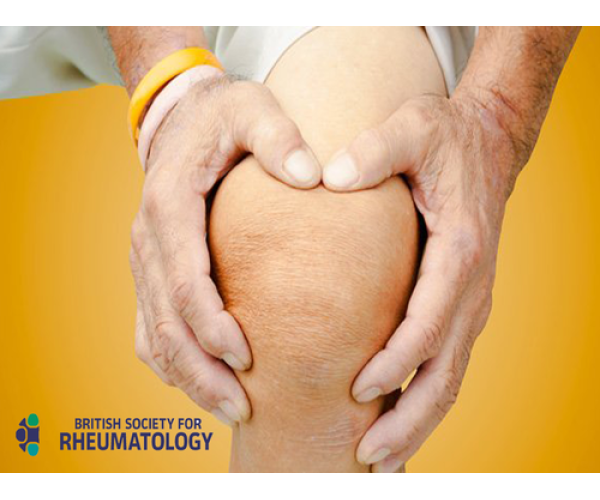
OA is a progressive and dynamic joint disease and the most common form of arthritis in middle-aged and elderly people worldwide, with an estimated prevalence of 9.6% in men and 18% in women aged 60 years and older [1]. The incidence and prevalence of this disease are increasing. The global prevalence and years of life with disability due to OA increased from 140.5 and 7.3 million, respectively, in 1990 to 241.8 and 12.8 million, respectively, in 2013 [2]. This is likely due to the increasing aging population, the increasing obesity rate, and the increasingly sedentary lifestyle that is becoming increasingly common in the modern world [1, 3]. OA is characterized by cartilage and synovial inflammation, as well as significant structural changes throughout the joint, leading to joint pain and swelling, disability, and deformity [4]. Treatment for this common, disabling, and incurable condition is aimed at relieving symptoms.
Increasingly, patients, especially those who are more knowledgeable about their condition and have higher levels of self-rated health, are turning to the use of supplements. This is due to their ease of access and perceived favorable safety profile.
Dietary supplements, which are taken orally in capsule, tablet, or liquid form, contain one or more nutritional ingredients (e.g., vitamins or herbal preparations) [8]. Supplements reported to be most commonly used by Australian and American patients with OA include:
There is a large amount of information about these products and their active promotion to consumers as supplements for the treatment of OA (joint disease), much of which is not evidence-based, in the form of “advertisements” and testimonials. Furthermore, the information available to people living with OA, disguised as so-called scientific studies and presented in the mainstream media, is often false or misleading [10, 11].
Some people living with OA seek advice from their doctor, friend, or family member to recommend the best supplements for their condition. The supplements recommended by doctors vary and seem to change over time. For example, the recommendation of glucosamine and/or chondroitin by Australian general practitioners (GPs) for patients with OA has decreased from 39% in 2006 to 13% in 2013. However, international guidelines highlight that the use of glucosamine and/or chondroitin in OA remains controversial [13–15]. Interestingly, a higher percentage of GPs (6–13%) recommended fish oil and krill oil [12] for patients with OA, despite little evidence of clinical efficacy [16]. The discrepancies in international recommendations and guidelines on the use of supplements in OA, together with the discrepancies in clinical practice, make it very difficult for practitioners to make decisions about what to recommend to their patients.
Results
Eight systematic reviews or meta-analyses and nine randomized controlled trials (RCTs) of supplements and complementary medicines were identified, and 16 supplements were included in this review. The scientific evidence for the effectiveness of the following supplements is presented in Table 1 .
Summary of evidence for the use of supplements and complementary medicines in OA
DHA: docosahexaenoic acid; EPA: eicosapentaenoic acid; GLM: green-lipped mussel; MSM: methylsulfonylmethane; NR: no report; NKO: Neptune krill oil; RCT: randomized controlled trial.
Marine omega-3 fatty acids
Marine oil supplements are thought to have analgesic effects due to their high concentrations of eicosapentaenoic and docosahexaenoic acids [37]. However, a recent systematic review of marine oils, including fish oil, krill oil, and green-lipped mussel (GLM) extracts for 6–26 weeks for arthritis pain, showed no effect in patients with OA (five studies; SMD -0.17; 95% CI: -0.57, 0.24).
Fish Oil
There are currently no systematic reviews or meta-analyses of fish oil supplementation in OA. The first RCT was conducted in 1992 and showed no significant benefit for patients taking cod liver oil (10 ml/day containing 786 mg eicosapentaenoic acid, 24 weeks) compared with patients taking placebo (olive oil).
Hill et al. conducted a well-designed, rigorous study to compare low-dose omega-3 fatty acids (a mixture of fish oil and sunflower oil, 15 ml/day) with high-dose fish oil (4.5 g omega-3 fatty acids, 15 ml/day). They concluded that both groups significantly reduced pain.
The difference in WOMAC pain and function between high and low-dose fish oil at 2 years was a mean (S.E.) of 3.1 (1.3) (P = 0.014) and 7.9 (4.0) (P = 0.046), respectively. However, this study was limited by the lack of a placebo control group to differentiate any associated placebo effects from treatment effects. The effects of fish oil supplementation in OA are inconclusive [38]. And well-designed placebo-controlled clinical trials are still needed to support or refute the potential benefit of fish oil in the treatment of joint disease. The most commonly associated adverse effect of fish oil was gastrointestinal discomfort, with no difference between groups [21, 22].
Krill oil
The evidence for the use of krill oil supplementation in OA is limited. For example, one randomized, double-blind clinical trial in 90 subjects with cardiovascular disease and/or RA and/or OA demonstrated anti-inflammatory effects of krill oil (300 mg/day, 30 days), as indicated by a change in patients' OA symptoms on the WOMAC. , 89), P = 0.011] [23]. Another RCT suggested that krill oil (2 g/day, 30 days) improved subjective symptoms in adults with mild knee pain. However, no difference was demonstrated in the rate of knee osteoarthritis in Japan ( P = 0.99) [24].
Glucosamine
Glucosamine is an aminomonosaccharide and a natural component of glycosaminoglycan in the cartilage matrix and SF. It has been reported to have specific pharmacological effects in OA when administered exogenously, by reducing IL-1-induced gene expression [41]. A recent systematic review included studies comparing the efficacy and safety of glucosamine (dosage regimen was 1500 mg/day in single or divided doses) with placebo [28].
Sensitivity analyses showed that small industry-sponsored studies (with identified conflicts of interest) demonstrated greater treatment effects than larger unfunded or independently funded studies or trials without conflicts of interest. Wu et al. [42] conducted a meta-analysis to compare the efficacy of different glucosamine formulations and found that there was little difference between glucosamine sulfate and glucosamine hydrochloride in reducing pain. Glucosamine appears to be safe for use based on the pooled risk ratios for any reported withdrawals and serious adverse events [28].
Chondroitin sulfate
Chondroitin sulfate is a naturally occurring glycosaminoglycan found in cartilage and the extracellular matrix. It is used in patients with OA for its anti-inflammatory properties, its role in stimulating the synthesis of proteoglycans and hyaluronic acid, and its inhibition of proteolytic enzyme synthesis [43]. A Cochrane review of chondroitin supplementation (800–1200 mg/day) in OA found it to be superior to placebo in reducing pain in the short term, although the effect was small and of unclear clinical significance (SMD -0.51; 95% CI: -0.74, -0.28) [30]; This is consistent with the results of a subsequent systematic review that suggested no clinically meaningful effects of chondroitin on pain (SMD -0.34; 95% CI: -0.49, -0.19) and physical function (SMD -0.36; 95% CI: -0.58, -0.13) [28].
There were no significant effects on pain relief (SMD -0.18; 95% CI: -0.41, 0.05) and improvement in function (SMD -0.34; 95% CI: -1.06, 0.39) in the long term. The systematic review suggested a small effect on structural improvement (SMD -0.30; 95% CI: -0.42, -0.17) with high quality evidence [28]. Chondroitin sulfate was found to be safe for use based on the reported results of the pooled risk scores for any withdrawals and serious adverse events [28].
In addition, combination therapy with glucosamine and chondroitin was not superior to placebo in terms of reducing joint pain and functional impairment in patients with symptomatic knee OA over 6 months [44]. The pooled effect of pain reduction and function improvement was SMD-0.06 (95% CI: -0.33, 0.20) and SMD 0.11 (95% CI: -0.31, 0.54), respectively [30].
Vitamins D and E
A recent systematic review identified four studies, including 1136 participants, that investigated the effectiveness of vitamin D in the treatment of OA. The duration of the studies ranged from 1 to 3 years, and the dosage regimen ranged from 800–2000 IU/day to 50,000–60,000 IU/month. There was no clinically meaningful effect on pain or function; the pooled ES was SMD -0.19 (95% CI: -0.31, -0.06) and SMD -0.36 (95% CI: -0.61, -0.11), respectively [28]. The quality of the evidence was rated as low and very low. In addition, the quality of the evidence did not show an effect on joint narrowing in people with OA.
Vitamin E (500 IU daily, 6 months to 2 years) did not appear to have a beneficial effect in the treatment of symptomatic knee OA (for pain, SMD 0.01; 95% CI: -0.44, 0.45 for physical function, SMD 0.1; The quality of the evidence was moderate [28]. Vitamin E supplementation is associated with a higher risk of bleeding.
Collagen derivatives
Collagen hydrolysate
Collagen hydrolysate (CH) is composed of a number of peptides, and supplementation has been reported to reduce cartilage degeneration and slow the progression of OA by promoting proteoglycan and type II collagen synthesis [47]. A previous systematic review reported a beneficial effect of collagen hydrolysate compared with placebo (mean difference -0.49; 95% CI: -1.10, -0.12), although this was not consistent with the results of the present study. another study [31]. When CH was compared with glucosamine sulfate for 90 days of treatment, significant differences were found between groups in favor of CH [31]. A pooled analysis for pain reduction in a later systematic review showed that collagen hydrolysate (10 g/day, 6 months) was superior to placebo in the medium term (SMD -0.28; 95% CI: -0.54, -0.02), although the effect was small and not clinically significant. There was no effect on function or symptomatic improvement in the long term [28]. It is considered generally recognized as safe by the US Food and Drug Administration [48]. The most common adverse events were mild to moderate gastrointestinal complaints [31].
Undenatured Collagen
Undenatured collagen type II (UC-II) is a dietary supplement derived from chicken sternum cartilage that has been reported to induce tolerance and deactivate killer T cell attack in RA [49]. Two RCTs evaluated the safety and efficacy of UC-II (40 mg/day, 90 or 180 days) compared with a combination of glucosamine and chondroitin (G+C) or placebo in the treatment of knee OA. Patients receiving UC-II experienced greater symptomatic benefit compared with G+C (P = 0.04) and placebo (P = 0.002) [32, 33].
MSM
MSM is a naturally occurring organosulfur compound. In vitro studies suggest that it inhibits the activity of transcription factors such as the light chain enhancer of activated B cells (NF-κB) and reduces the expression of inflammatory cytokines such as IL-1, IL-6, and TNF-α. [52]. One systematic review of MSM provided positive evidence that it is superior to placebo in the treatment of mild to moderate knee OA [34].
A subsequent systematic review identified three studies including 148 participants with knee OA who received MSM (dose) for 12 weeks. It demonstrated moderate to large treatment effects for pain relief (SMD -0.47; 95% CI: -0.80, -0.14) and improvement in function (SMD -1.10; 95% CI: -1.81, -0.38), although the quality of the evidence was low. The corresponding dosing regimens for MSM were 1.5, 3.4, and 6 g/day in divided doses. This highlighted concerns about the optimal dose. Mild gastrointestinal discomfort was reported with no serious adverse effects.
Herbal products and herbal medicines
Avocado/soybean unsaponifiables
Avocado/soybean unsaponifiables (ASU) (i.e., extracts) consist of the unsaponifiable fractions of one-third avocado oil and two-thirds soybean oil. In vitro, ASU may improve the imbalance between anabolic and catabolic processes in cartilage, contributing to its therapeutic effect [53]. A recent systematic review of ASU at doses of 300 or 600 mg/day in patients with knee or hip OA demonstrated modest effects (SMD -0.57; 95% CI: -0.95, -0.19 for pain reduction) and (SMD -0.48; 95% CI: -0.69, -0.28 for function improvement) [28]. In the short term, although it was unclear whether these were clinically meaningful; the quality of the evidence was low. However, high-quality data did not show an effect on symptomatic and structural improvement in long-term studies [28].
No serious treatment-related adverse events were reported. Adverse reactions were as generally expected, with gastrointestinal, neurological, general and skin symptoms being the most common. The hazard ratio for any adverse event and withdrawal due to adverse events was 1.0 (95% CI: 1.0, 1.1) and 1.1 (95% CI: 0.6, 2.1).
Turmeric/Curcumin
Turmeric (Curcuma longa; an Indian spice) has been used in Ayurveda for thousands of years to treat inflammatory diseases. Curcumin (diferuloylmethane), a polyphenol, is the main active ingredient [54]. Curcumin has anti-inflammatory and antirheumatic activities. It affects numerous biochemical and molecular cascades, such as transcription factors, growth factors, cytokines, and apoptosis [55]. However, most pharmacokinetic studies have shown that curcumin has poor bioavailability. Several curcumin formulations have been prepared to address this problem, including nanoparticles, liposomes, micelles, and phospholipid complexes.
Terracurmin, a curcumin formulation containing water-dispersed nanocurcumin with controlled surface area, has been reported to have higher bioavailability [56]. Piperine, a major component of black pepper, has also been used to enhance the bioavailability of curcumin [57]. Curcumin is thought to have therapeutic effects on OA through a variety of mechanisms. For example, reduction of inflammatory mediator synthesis, antioxidant and anti-catabolic properties [58].
Curcumin demonstrated a large and clinically relevant effect on pain in patients with OA (a joint disease) in a recent systematic review. However, only two studies were identified. These included a limited number of participants, 75 individuals, with different doses and formulations. One was teracurmin, using two capsules three times a day (corresponding to 180 mg of curcumin) for 6 weeks. The other was curcuminoid (C3 complex) at a dose of 1500 mg/day for 8 weeks [59, 60].
No serious adverse events were reported in either study. Mild gastrointestinal symptoms were noted in the curcuminoid treatment study. However, the potential interaction with blood thinners deserves attention [61, 62], as well as its anticoagulant activity [63].
Boswellia serrata extract
Boswellia serrata extract is a resin resin extracted from the frankincense tree that is used to treat various inflammatory diseases, such as RA and OA [64]. The most active component of Boswellia serrata extract is 3-acetyl-11-keto-β-boswellic acid. It has been shown to be a potent inhibitor of 5-lipoxygenase [65]. A systematic review identified three studies [66-68] that examined two proprietary Boswellia serrata extract products, 5-loxin (50 or 125 mg twice daily) and aflapin (50 mg twice daily), in people with knee OA. The trials were 1-3 months in duration, included 186 participants, and demonstrated large and clinically important treatment effects. As a result, the pooled ES for pain relief and disability improvement was SMD -1.61 (95% CI: -2.10, -1.13) and SMD -1.15 (95% CI: -1.63, -0.68), respectively. The quality of the evidence was low and very low [28].
No serious adverse events were observed during the study period. Minor adverse events were reported, including nausea, headache, abdominal pain, diarrhea, fever, and malaise. The hazard ratio for any adverse event was 0.7 (95% CI: 0.1, 4.8) [28].
Pycnogenol
Pycnogenol (pirus pinus bark extract, Pinus sylvestris) is a concentrate of plant polyphenols consisting of several phenolic acids, catechin, taxifolin and procyanidins with various biological and clinical effects [69]. This extract has been reported to have anti-inflammatory effects through inhibition of MMPs.
Three studies [70-72] studied pycnogenol (50 mg twice or three times daily) in 182 participants with knee OA for 3 months. The moderate quality of the evidence suggested significant and clinically meaningful effects in pain relief (SMD -1.21; 95% CI: -1.53, −0.89) and disability improvement (SMD 1.84; 95% CI: -2.32, -1.35) [28]. No adverse events or serious adverse events were reported.
Rosehip
In vitro studies have shown that rosehip exhibits anti-inflammatory and antioxidant properties through its active ingredient, a specific galactolipid (called GOPO) [35]. The efficacy of this herbal medicine (5 g/day, duration 3–4 months) was tested against placebo in three studies. 306 patients with OA of the knee, hip or cystic joint [73–75]. A meta-analysis suggested a short-term effect of rosehip preparations in reducing mild to moderate pain (SMD -0.37; 95% CI: -0.60, -0.13) [35]. The most recent placebo-controlled RCT including 100 participants showed no effect on patients’ symptoms (rosenoids containing 750 mg rosehip powder, three capsules once daily, 12 weeks) [36]. Regarding adverse events, no serious adverse events were noted. The rosehip group had a similar number of mild gastrointestinal discomforts as the control group.
Evidence-based recommendations for supplementation in OA
The effects of curcumin on pain and MSM for physical function were significant and clinically relevant.
Future research priorities
The evidence supporting supplements (e.g., Pycnogenol, curcumin, Boswellia serrata extract, MSM) with large therapeutic effects for the treatment of OA is limited by the number and quality of studies. Further robust studies with longer treatment durations are needed to confirm the efficacy and safety of supplements. Studies of widely available fish oil are scarce, and further placebo-controlled trials are needed to assess its efficacy and safety. Most studies have focused on knee or hip OA; additional clinical trials in OA are urgently needed. Most studies were funded by pharmaceutical companies, especially small studies that tended to show positive results [28].
For this review, only systematic reviews and randomized clinical trials were considered, as they provided the best evidence. Supplements that are widely used by OA patients and those with more scientific data were included. We proposed some conditional recommendations for dietary supplements in OA based on meta-analyses of RCTs, including the most recent published systematic review and previous reports [16, 28, 35]. We do not recommend the use of some widely used supplements (e.g., glucosamine, chondroitin, fish oil, etc.), while some lesser-known supplements (e.g., curcumin, Boswellia serrata extract) have shown large treatment effects with clinical relevance. This evidence is from the highest category Ia: meta-analysis of RCTs [86].
British Society for Rheumatology
-200x200.png)