Cart
Your shopping cart is empty!
It's never too late to make things right :)


Urinary tract infections are among the most common infectious diseases in humans and are widely found in outpatient and inpatient practice.
The regional conference of nephrologists, held in Vinnytsia, was devoted to the rehabilitation of patients with kidney pathology. Of particular interest were approaches to the rehabilitation of patients with kidney infections due to the significant prevalence of this pathology both in Ukraine and throughout the world.
Urinary tract infections can occur with a predominant involvement in the pathological process of a particular organ (pyelonephritis, cystitis, prostatitis, urethritis), with the involvement of various organs or without clear signs indicating the involvement of the kidneys or other parts of the urinary tract; they speak of "urinary tract infection". This term seems to be the most correct, since with any local inflammation in the urinary system, all structures of the urinary tract are involved in the infectious process to one degree or another.
Data on the prevalence of urinary tract infections are very disappointing. Thus, according to the US Department of Health, urinary tract infections were the reason for 7 million patients to see a doctor in 2001, and for 1 million of them they were the reason for hospitalization.
In 2002, about 550 thousand patients belonging to the group of diseases "kidney infections" were registered in Ukraine, which amounted to 1,364.9 per 100 thousand adult population and about 52 thousand patients with chronic cystitis, which amounted to 126.5 per 100 thousand adult population. Thus, recently there has been a tendency to increase the number of inflammatory processes of the genitourinary sphere. First of all, this trend is due to a decrease in the immunological resistance of the organism as a whole, a change in the virulence and pathogenicity of the microflora that causes this pathology, the development of urinary tract infection against the background of concomitant pathology: diabetes mellitus, urolithiasis, oncology, various types of immunodeficiency.
All this leads to frequent chronicity of foci of infection, recurrence and reinfection, long-term disability of patients, deterioration of their quality of life.
In view of the above, it becomes obvious the need for prevention and rehabilitation of patients with chronic urinary tract infection on an outpatient basis.
Patients with recurrent urinary tract infections (more than two exacerbations within 6 months or three exacerbations within a year) need to undergo preventive therapy. For this purpose, long-term prophylactic administration of low doses of fluoroquinolones, cotrimoxazole, and in adolescents, pregnant and lactating women - oral cephalosporins are used. However, given the possibility of undesirable drug reactions against the background of prolonged chemotherapy, such as allergic reactions, intestinal dysbacteriosis, thrombocytopenia, hemolytic anemia (against the background of taking co-trimoxazole) and the development of interstitial nephritis, as well as remembering the inexpediency of antibiotics during treatment of the elderly, pregnant women, patients with diabetes mellitus, chronic hepatitis, it is justified to search for combined medicinal preparations of herbal origin, suitable for long-term therapy. Their advantages over synthetic drugs are mostly obvious. Firstly, this is the absence of complications and undesirable side effects. Secondly, there is a wide room for maneuver, which is provided by a rich selection of plants that have different types of action.
The priority of using medicinal plants is determined by the nature of pathological changes, the phase of the disease, the presence of complications. An example of such drugs can be the herbal preparation Canephron N. The herbal components that make up the preparation have a complex effect, which is manifested by anti-inflammatory and antispasmodic, diuretic, vasodilating and antibacterial effects, the ability to potentiate the effect of antimicrobial drugs. Under the influence of rosmarinic acid, the release of inflammatory mediators is inhibited, which determines the stability of the anti-inflammatory effect. All herbal components that make up the preparation contain substances with a wide spectrum of antimicrobial action (phenolcarboxylic acids, essential oils). The effect of the preparation on the tubular and glomerular system of nephrons leads to a decrease in the severity of proteinuria.
It is important to emphasize the wide antimicrobial spectrum of biologically active substances of medicinal plants and their activity against microflora resistant to synthetic drugs. Their advantage is the combination of antimicrobial and anti-inflammatory properties, which is especially valuable in chronic processes in the urinary tract (Pitel Yu. A., Amosov A. V., 1999; Amosov O. V., 2000). The diuretic effect of the drug Canephron H is due to the combination of different points of application of medicinal components. Essential oils contribute to the expansion of renal vessels - the blood supply to the renal epithelium improves, and also affect the reabsorption function of the renal tubular epithelium (Jacobi G. H., 1993). The mechanism of diuretic action of phenolcarboxylic acids is due to osmotic effects (Pitel Yu. A., Amosov A. V., 1999; Amosov O. V., 2000).
Due to the removal of excess fluid and sodium salts from the body, Canephron H helps to lower blood pressure. The duration of use of the drug depends on the clinical picture of the disease.
An important link in the rehabilitation of patients with microbial inflammatory diseases of the urinary tract is the use of immunomodulatory therapy. In particular, the domestic drug Proteflazid has proven itself well in this category of patients, which has undergone clinical trials at the Kyiv Research Institute of Urology and a number of other clinics, including the Vinnytsia City Nephrology Office. Proteflazid is an extract from wild cereals, consisting of a number of biologically active compounds, the main part of which is quercetin and other flavonoids.
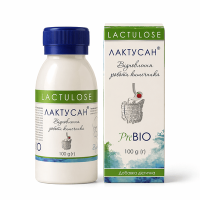
When carrying out rehabilitation measures in patients with urinary tract infections, it is necessary to take into account such a factor as the frequent occurrence of complications after taking antibacterial drugs. Long-term or short-term, but massive antibacterial therapy leads not only to positive results - sanitation, but also to rather serious consequences in the form of intestinal dysbiosis, and, as a rule, dysbiosis of the whole organism. Therefore, the restoration of normal microflora is a mandatory stage of rehabilitation for all patients who have received antibacterial therapy, and for patients with chronic infections, the previous or background intake of drugs that prevent the development of dysbiosis (probiotics) is also important. The most studied and successful choice for this is lactulose (dufalac, normaze), as it combines undoubted effectiveness in maintaining the normal ecology of the body - the dominant role of bifido- and lactobacilli of the large intestine (for which it received its name "bifidogenic factor", or "bifidus factor") and complete safety for patients of different ages with any concomitant pathology. Lactulose is a synthetic isomer of lactose obtained from cow's milk.
From the standpoint of modern ideas about the physiology of the intestine, the importance of the intestinal microbiocenosis in the human body is difficult to overestimate. The gastrointestinal tract is a complex symbiotic ecosystem. The symbiosis of macro- and microorganisms is that the host "takes care" of the intestinal microflora, providing it with nutrients, and the microflora provides the macroorganism with the metabolites it needs and protects it from the use of pathogenic microbes. Therefore, regular preventive The use of lactulose provides protection for the body not only from intestinal infections, but also from infections of the respiratory tract and genitourinary system. A marked improvement is observed in patients suffering from chronic genitourinary tract infections, which is manifested in a decrease in the frequency of exacerbations.
It has been proven that putrefactive and pathogenic bacteria produce toxic substances in the intestines: ammonia, amines, indole, etc., and the metabolic products of pathogenic and putrefactive bacteria have a toxic effect on the human body, and primarily on the parenchymal organs responsible for children - the liver and kidneys. Thus, arising as a result of antibacterial therapy, intestinal dysbiosis leads to disruption of a number of body functions, contributes to the development of disorders in the work of organs and systems and further recurrence and chronicity of infectious processes.
Suppressing pathogenic flora, lactulose thereby prevents the penetration of toxic products into the blood - ammonia and substances containing ammonium, which is always important for patients with kidney pathology. Lactulose (Lactusan) has a beneficial effect on the body in renal failure. (In renal failure, the excretion of nitrogen with urine is reduced and its accumulation in the blood occurs - azotemia. In the case of blood purification from urea, dialysis is carried out, which causes certain difficulties). The problem is partially solved by limiting the use of proteins in the diet. As studies have shown, in moderate azotemia, reducing the concentration of nitrogen in the blood with lactulose turned out to be very effective. The positive effect of lactulose in this case is to reduce the load on the kidneys with nitrogen and aromatic amines, reduce the concentration of phosphates in the blood serum mainly due to the excretion of water and sodium ions.
Therefore, using lactulose from the beginning of treatment of patients with kidney infections, at least 2 problems are solved at once: a normal nutrient medium for its own microflora is created and the development of dysbiosis is prevented; Lactulose helps detoxify the body from excess amounts of ammonia, which was manifested during exacerbation of chronic infections as a result of decreased kidney function.